
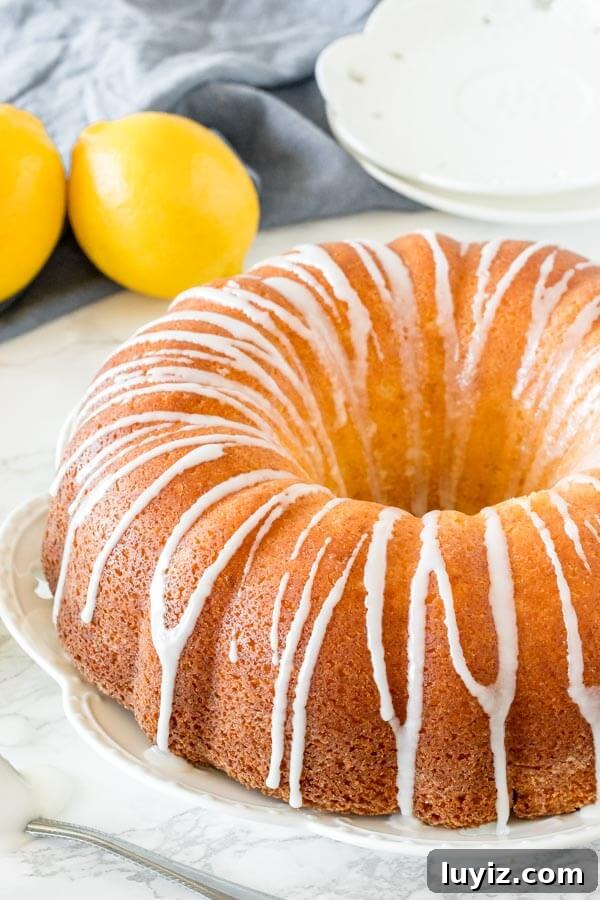
Today I’m sharing my best tips and tricks for baking a perfect bundt cake — including how to get the cake out of the pan without damage and how to avoid common pitfalls. 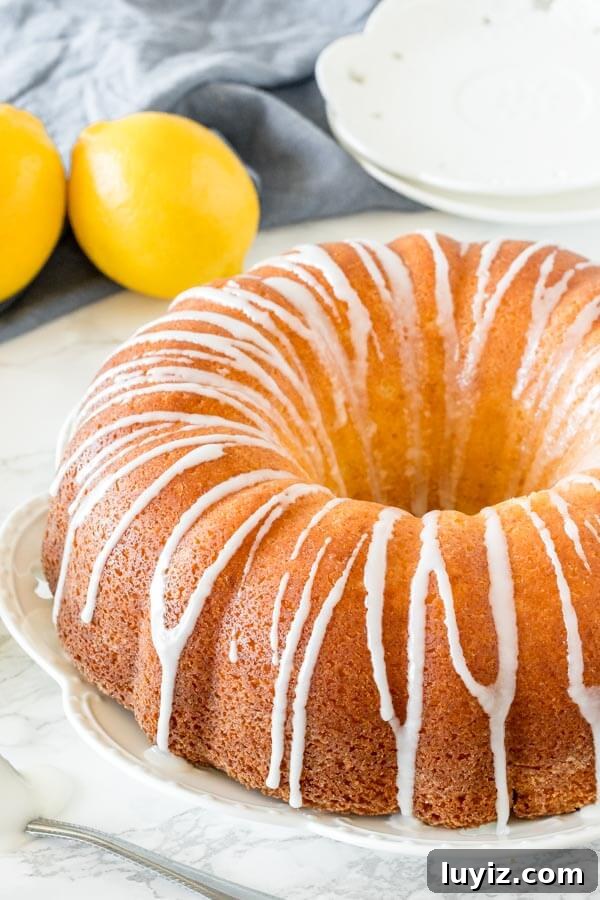
First, what is a bundt cake? A bundt cake is any cake baked in a bundt pan, which produces a distinctive ring shape with a central hole. Bundt pans come in fluted or more intricate designs. Because of their shape, bundt cakes are often denser than layer cakes so they hold their form when removed from the pan. They can be finished with glaze, frosting, or simply dusted with powdered sugar.
Choosing the Right Bundt Pan
Bundt pans commonly come in two main sizes: 10-cup and 12-cup capacities. The capacity refers to how many cups of water fill the pan to the top — not how much batter you should use. For best results, choose a light-colored pan to reduce the risk of over-browning. Use a non-stick pan that’s in good condition (no deep scratches or peeling coating).
The more intricate the pan’s design, the harder it can be for a cake to release. If you’re testing a new recipe, start with a simple fluted pan before moving to elaborate molds.
How to Get a Bundt Cake out of the Pan
Greasing the Bundt Pan
Always grease your bundt pan, even if it’s labeled non-stick. There are two reliable methods: greasing and flouring, or using a pan-release mixture.
Method #1: Grease and Flour
- Generously grease the pan with butter or shortening, making sure to coat the sides and creases.
- Add 1–2 teaspoons of flour (use cocoa powder for chocolate cakes) and shake the pan to distribute it evenly.
- Tap or shake out any excess so the surface is lightly coated.
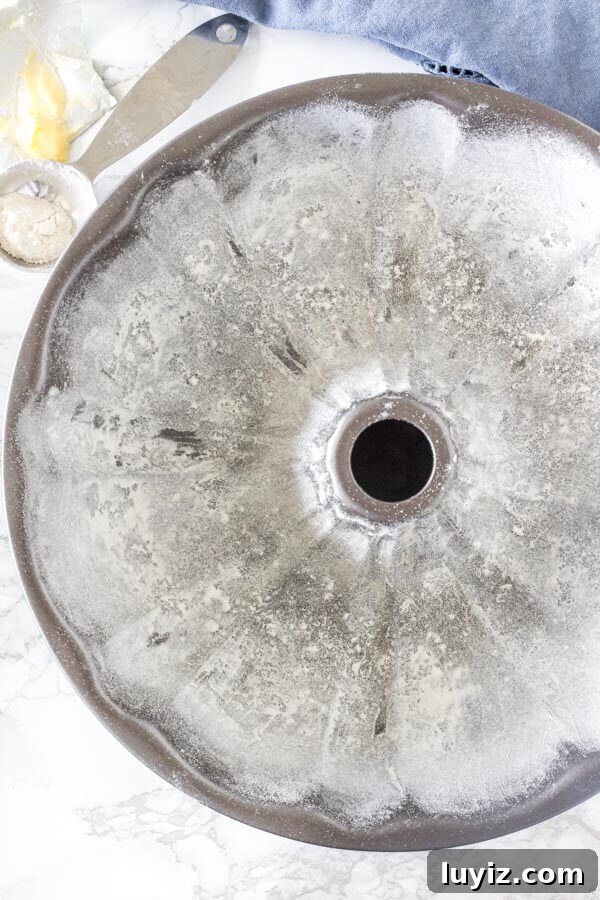
Note: greasing and flouring can occasionally leave a thin flour residue on the cake. For a cleaner finish, consider a pan-release blend.
Method #2: Use Pan Release
Commercial bakers’ spray works well, or you can make your own pan release:
- Combine equal parts shortening, all-purpose flour, and vegetable oil.
- Use a pastry brush to coat the inside of the pan thoroughly, ensuring every crevice is covered.
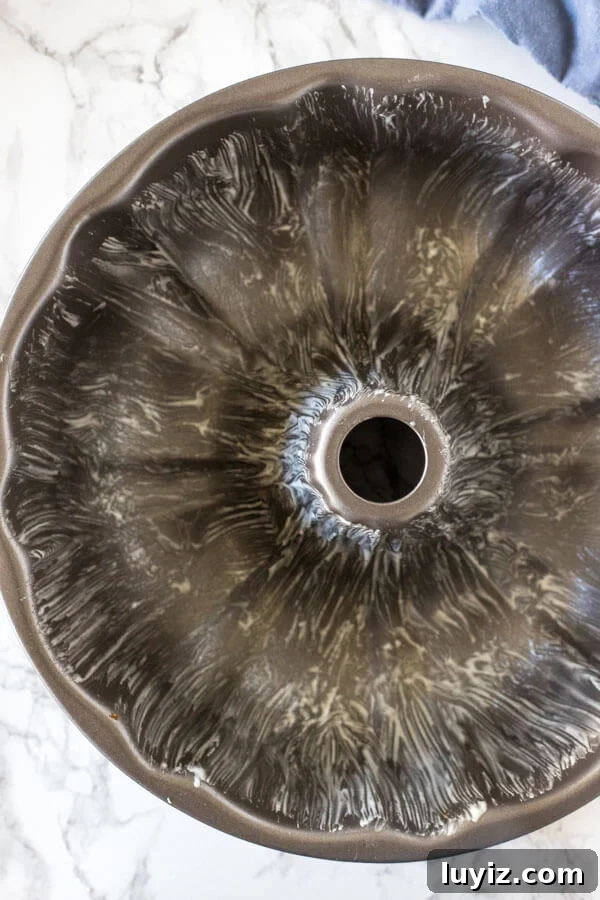
Store any leftover pan release in a jar in your pantry for future use.
Inverting the Bundt Cake
After baking:
- Let the cake cool in the pan on a wire rack for 15–30 minutes.
- Carefully invert the pan over the rack and allow the cake to slide out. If it doesn’t release easily, run a thin knife gently around the edges and center tube to loosen it.
- Do not invert immediately after baking; the cake needs time to set so it keeps its shape.
Can I Bake Any Cake Recipe in a Bundt Pan?
Not every cake recipe is suitable for a bundt pan. Bundt cakes typically have a denser crumb that can support the shape of the pan and release cleanly. Very light, sponge-like, or overly gooey batters are more likely to stick or collapse. If a recipe doesn’t indicate bundt-pan compatibility, use caution or test in a simple pan first.
As a guideline, a standard 9×13-inch cake recipe generally provides about the right amount of batter for a 10-cup bundt pan.
How to Freeze a Bundt Cake
Unfrosted bundt cakes freeze best. Follow these steps:
- Cool the cake completely, allowing it to release from the pan after about 15 minutes and then finish cooling on a rack.
- When fully cooled, wrap the cake in plastic wrap, covering the ring shape thoroughly.
- Wrap at least twice to prevent gaps and freezer burn.
- Place the wrapped cake in a freezer-safe container or cover with aluminum foil for extra protection.
- Freeze up to three months. Thaw in the refrigerator before decorating.
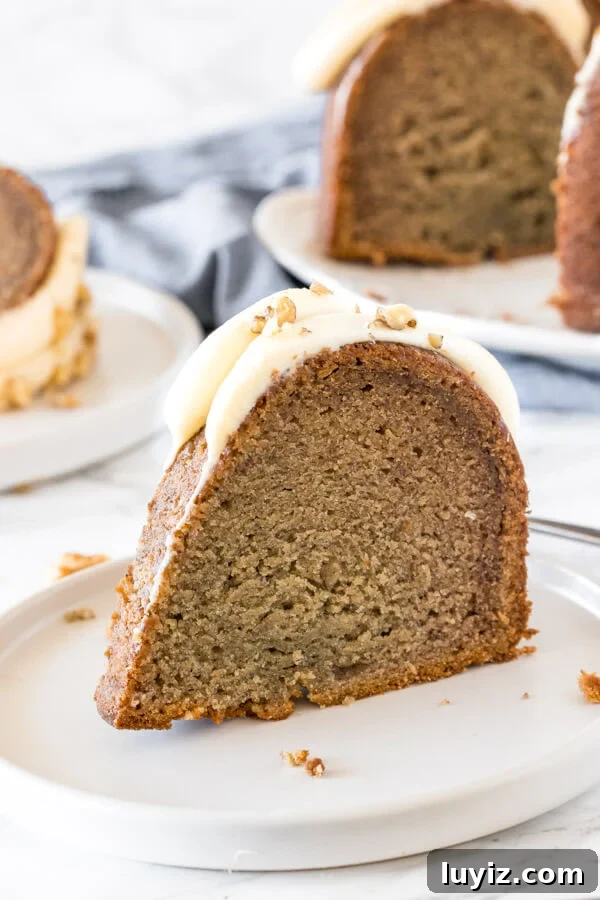
If you love bundt cakes, try these favorite recipes on your own:
- Lemon Bundt Cake
- Banana Bundt Cake
- Cream Cheese Pound Cake
- Chocolate Bundt Cake