If you found this post because you’re curious about sobriety or questioning your own drinking, please do not be ashamed. We all carry difficult things, and asking for help is a sign of strength, not weakness.
I’m sharing my experience both to help others and to help myself. Early sobriety teaches you a lot—often all at once—and that can feel overwhelming. If you’ve been drinking regularly since your teens, becoming sober can feel like meeting yourself for the first time. I wasn’t intoxicated every moment, but the time I spent truly clear-headed was minimal.
Why I Chose to Quit Drinking Alcohol
My relationship with alcohol has been complicated. I started drinking as a teenager and grew up around addiction; my mother struggled with it her whole life. For years I used alcohol as a mask, hiding who I was behind it. It became my normal, and I was afraid of who I would be without it.
In my twenties I drank heavily and went through some of my darkest moments. I made poor choices, was taken advantage of, and repeatedly tried to escape my thoughts by drinking myself into blackouts. In my late twenties and early thirties I began to rediscover who I am and what I want from life. That rediscovery made me decide to quit.
I wanted to be a better partner to my husband, to someday be a mother, to prioritize health, and to heal from the past instead of burying it. I wanted to remember birthdays, holidays and vacations instead of piecing together hazy memories. Most of all, I wanted to be present.

Nothing stood between me and the life I wanted except alcohol’s hold. I imagined how different my life could be without drinking—happier, healthier, more productive, and with deeper relationships. Years of private prayers and support from my patient husband gave me the motivation to say enough was enough.
My Approach to Alcohol Dependence
The traditional definition of “alcoholic” never felt like the right fit for me. I’ve long questioned the conventional approach that frames alcohol dependence as an incurable disease that requires lifelong surrender. That model can be frightening and discouraging for anyone trying to change.
I sought other perspectives and found a growing number of thoughtful alternatives to the century-old approach to alcohol dependence. These resources challenged assumptions, offered new strategies, and helped me feel hopeful rather than defeated. For me, overcoming alcohol dependence was about rebuilding and nourishing myself—not reducing my worth by declaring powerlessness.
That mindset led me to several helpful resources and approaches that emphasize education, self-compassion, and retraining the unconscious mind rather than strict identification as a hopeless victim of addiction.
So, How Exactly Have I Remained Sober for 60 Days?
Education was the first and most important step. I had avoided learning about the effects of alcohol because I didn’t want to face the consequences of my choices. Once I started reading credible articles, case studies, and medical sources, I couldn’t ignore what alcohol was doing to my body and mind. If you’re serious about change, learn as much as you can from trustworthy material.
Find people whose stories resonate with you. There are many thoughtful voices offering different ways to approach alcohol dependence. Some books and programs focus on retraining automatic beliefs about drinking and reframing how we think about alcohol. Reading and following structured programs helped me understand my subconscious patterns and gave me practical tools to change them.
Identify what truly nurtures your spirit. For me, that includes reading, meditation, prayer, yoga, exercise and cooking. Your list will differ, but the goal is the same: replace alcohol with activities that bring you peace and fulfillment. Every morning I center myself with guided meditation, prayer, positive affirmations and visualization. Prioritizing self-care keeps me grounded and prevents the old habits from stepping back in.
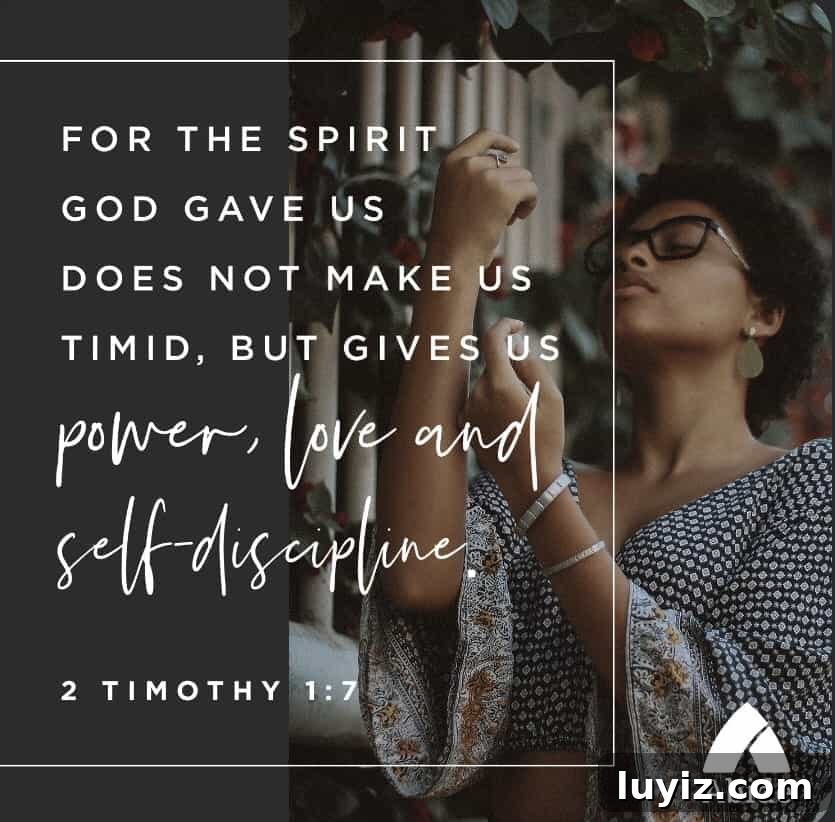
Surround yourself with people who support you fully. Relationships change when you change your habits; you may lose some friends and deepen others. Some people will make your choice about them, not you. That often reflects their own struggles. My husband has been my rock—find and cherish your support system.
Be gentle with yourself. Transforming your life and body is hard work; self-criticism only undermines progress. Treat yourself with the same compassion you would give someone you love. Negative self-talk reinforces the stories you want to leave behind—replace it with encouragement and patience.
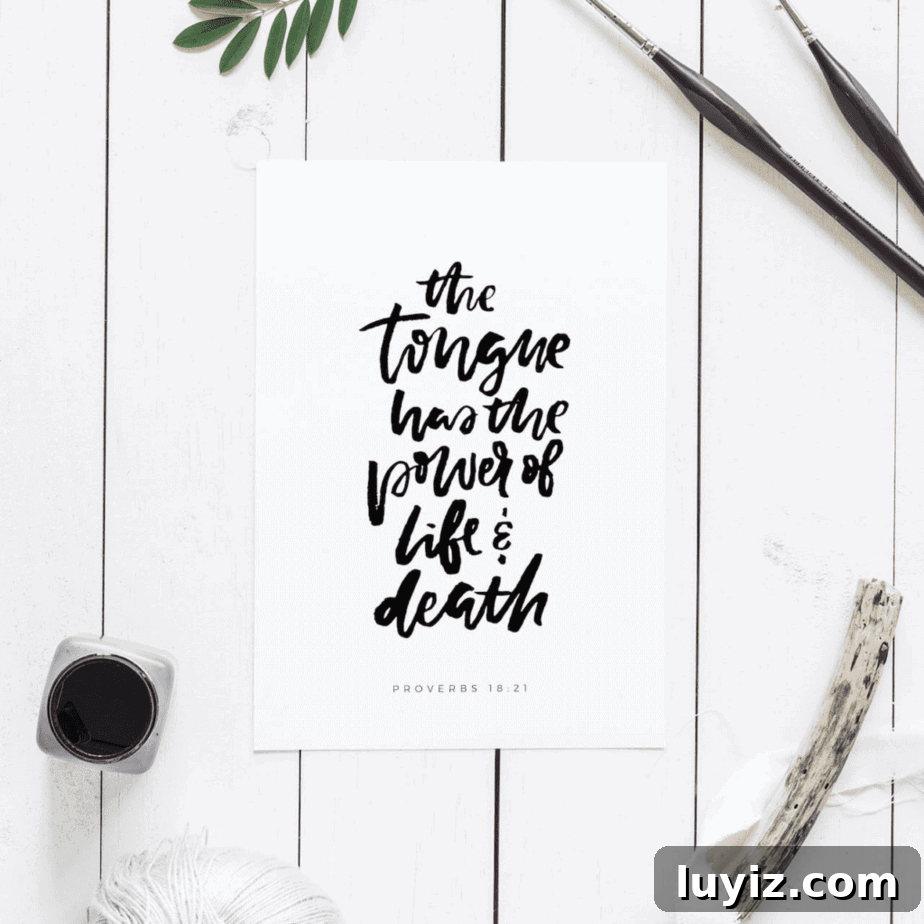
Don’t be afraid to keep living. At first I was anxious about going to a bar, dinner or party sober—how to explain it, whether I’d be fun, whether I’d even enjoy myself. I learned to own my choice and stop worrying about other people’s reactions. I have as much, if not more, fun now, and I stay clear-headed. I don’t embarrass myself, I avoid the morning-after haze, and I wake up hangover-free.
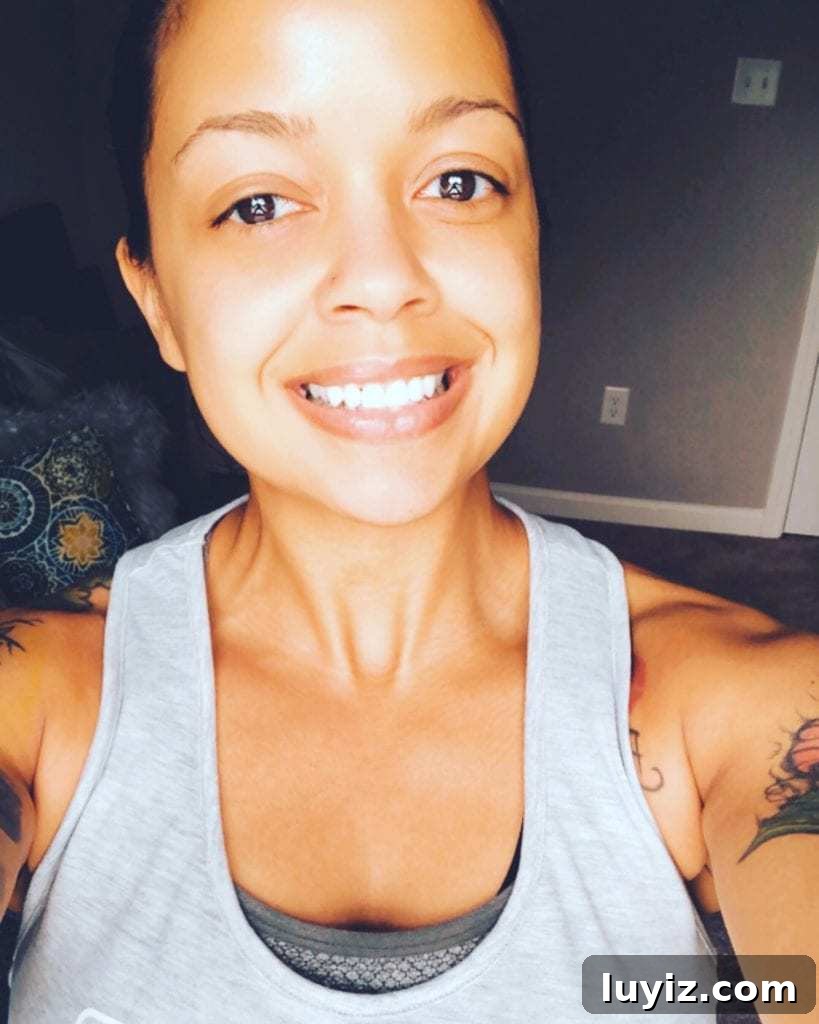
Our world looks different today, and giving up alcohol may seem especially daunting. Still, this time can be an opportunity to learn, heal, and become stronger—especially since alcohol weakens the immune system.
Know that you are strong, beautiful, and resilient. I’m rooting for you.