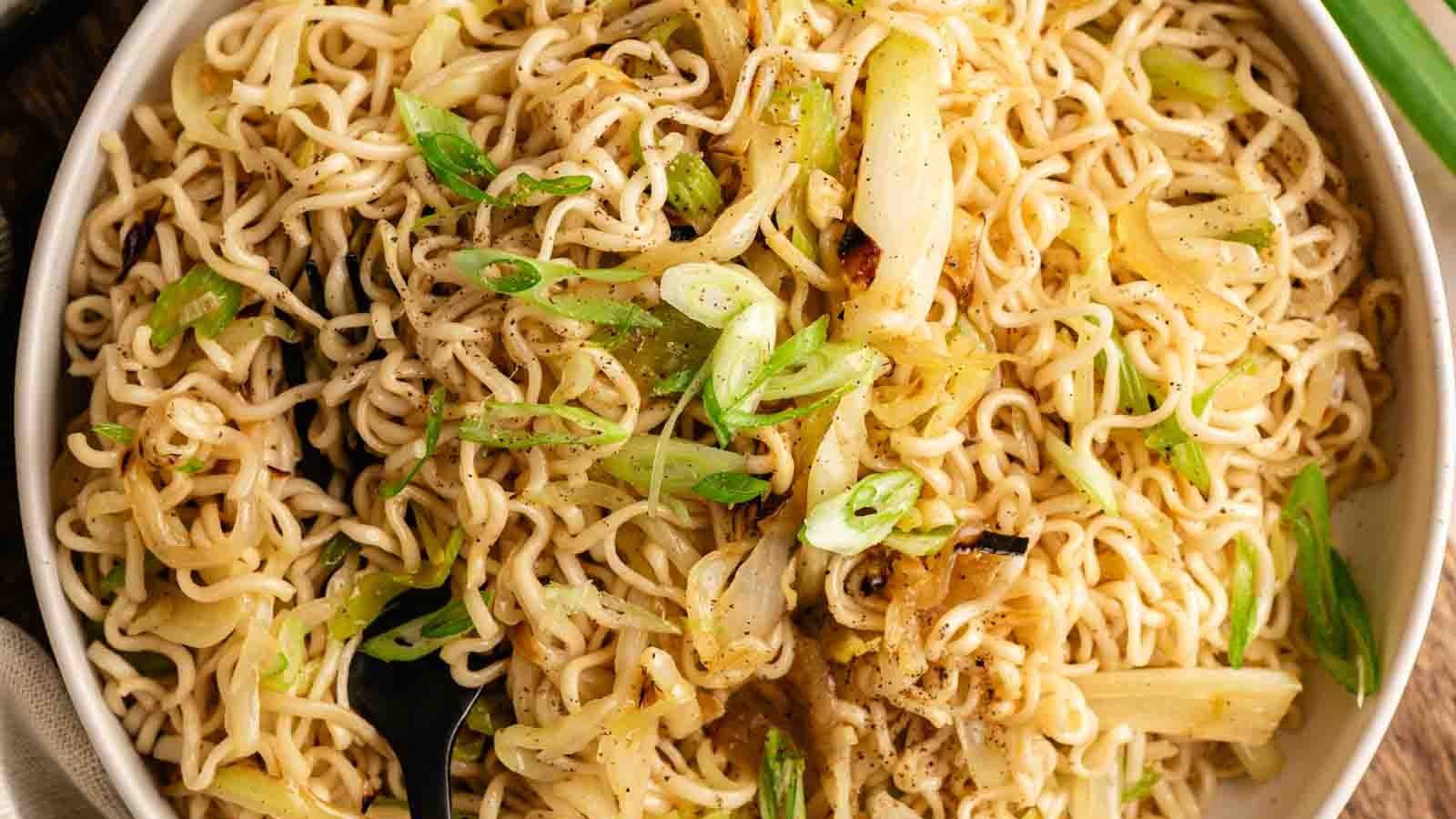
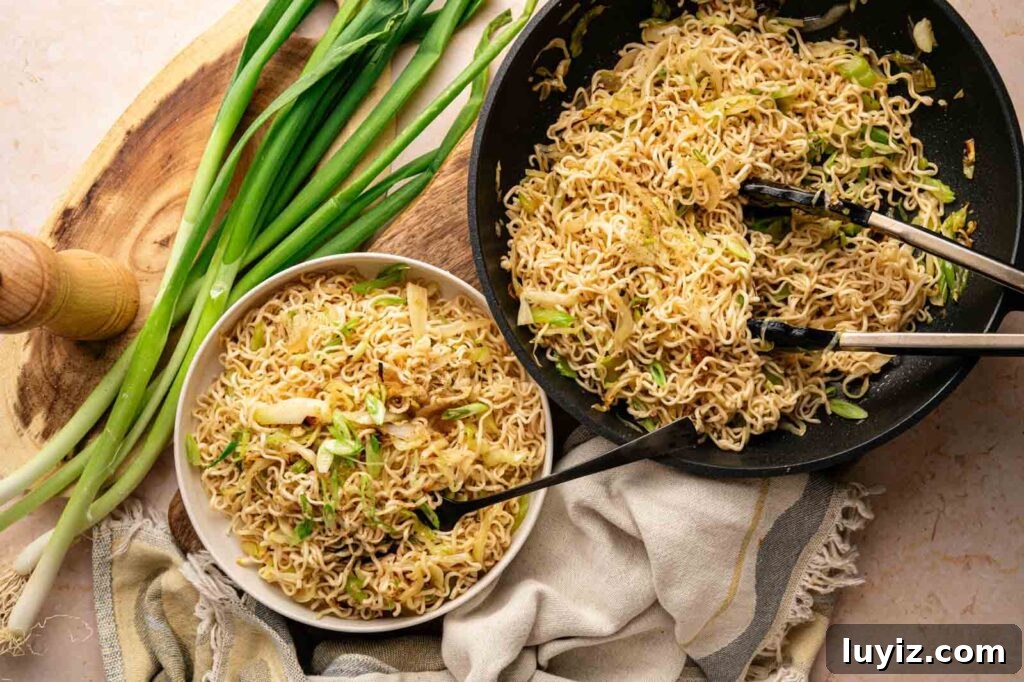
My shortcut for this Copycat Panda Express Chow Mein is to pull the noodles from boiling water after roughly 20–30 seconds. A brief blanch keeps them springy instead of mushy. I layer the takeout-style noodle bowl over shredded cabbage, sliced celery, and onion—three inexpensive, easy-to-find vegetables—and finish the dish with a cornstarch slurry so the sauce becomes glossy and clings to the noodles instead of leaving them swimming in liquid.
This post contains an affiliate disclosure: as an Amazon Affiliate, purchases made through affiliate links may earn me a commission. Thank you for your support.
Why You’ll Love This Recipe
- Ready in about 25 minutes from start to finish—often faster than delivery.
- Uses cabbage, celery, and onion as the main vegetables, keeping costs low and avoiding specialty shopping trips.
- Reheats well in a hot skillet; leftovers stay separate rather than turning gluey.
- Easily adapted into a full meal by adding chicken, shrimp, or tofu.
- One pan (a wok or large skillet) handles the stir-fry, so cleanup is minimal.
Ingredients You’ll Need
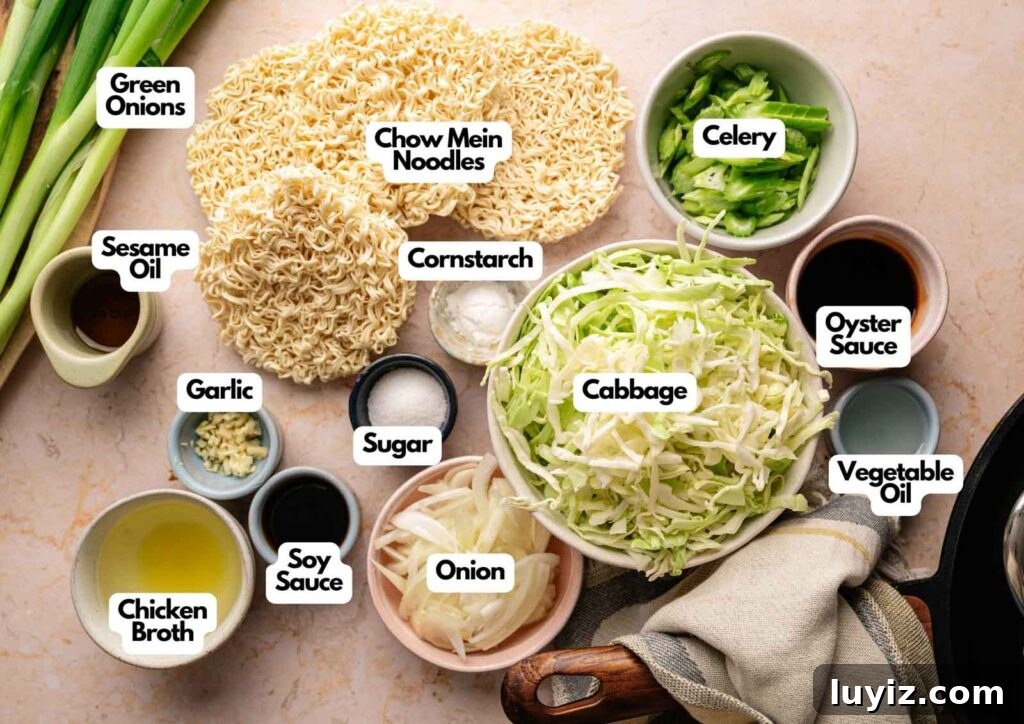
Below are the key ingredients to note; the recipe card further down lists quantities and the complete ingredient list.
- Chow mein noodles: Use fresh, wheat-based chow mein, fresh yakisoba, or plain fresh ramen. Buy refrigerated noodles when possible and pull them from boiling water early so they finish cooking in the pan.
- Cabbage, celery, and onion: These three vegetables provide crunch and bulk. Slice them thinly and cook briefly so they remain crisp.
- Oyster sauce: This ingredient gives the sauce depth and savory umami. If you need a vegetarian version, use a vegetarian oyster-style sauce made from mushrooms.
- Soy sauce: Regular or low-sodium soy sauce both work; a splash of dark soy sauce deepens color if you have it.
- Sesame oil: Used as a finishing oil for its toasted aroma—add sparingly.
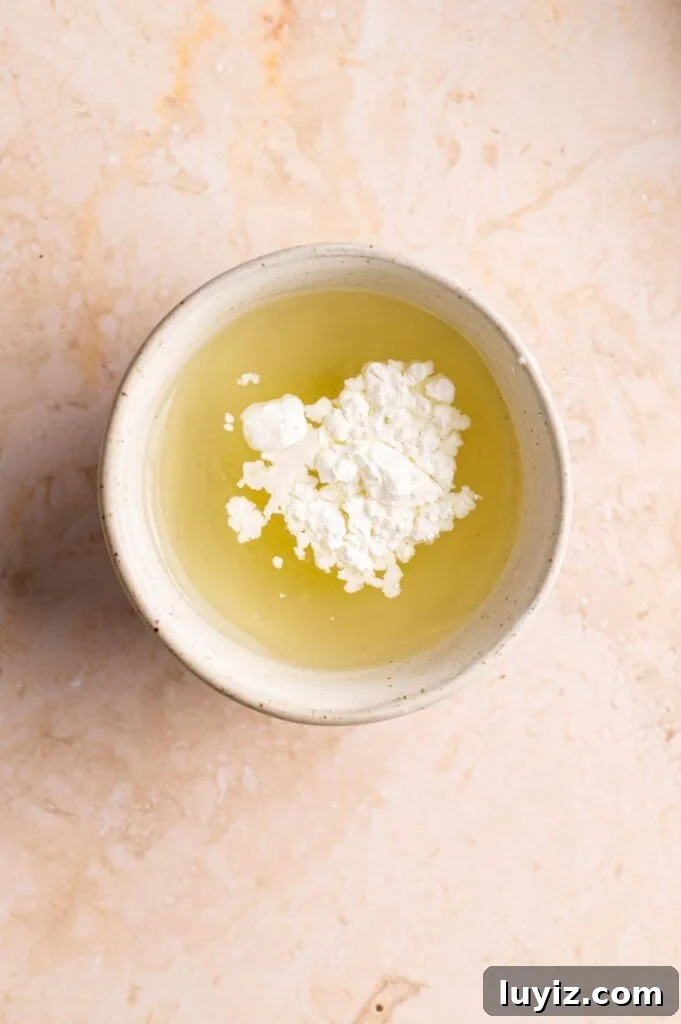
- Chicken broth and cornstarch: Whisked together as a slurry, these thicken and glossy the sauce. Use vegetable broth if you prefer a meatless version.
How to Make Panda Express Chow Mein
The directions below cover the essential steps. For exact measurements, see the recipe card included further down in this article.
Mix the sauce
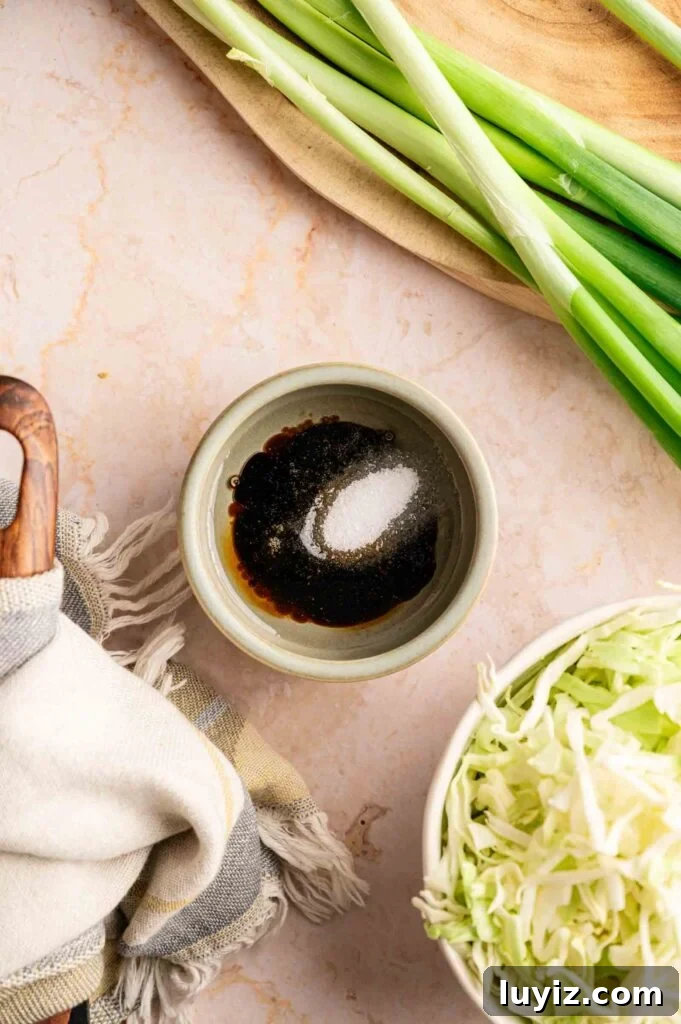
Combine the vegetable oil, soy sauce, oyster sauce, sesame oil, and a little sugar in a small bowl. Stir until smooth and set aside while you prepare the noodles and vegetables.
Blanch the noodles
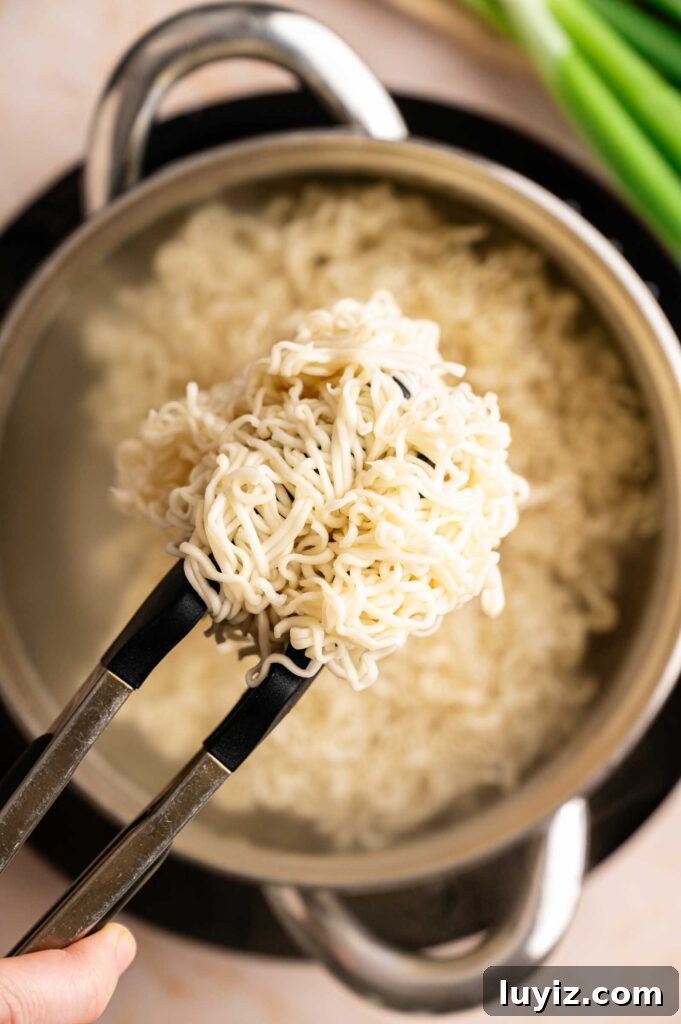
Bring a pot of water to a rolling boil. Add the fresh noodles and cook just 20–30 seconds until they loosen. Drain thoroughly and toss with a small amount of oil so they don’t stick while you stir-fry the vegetables.
Stir-fry the vegetables
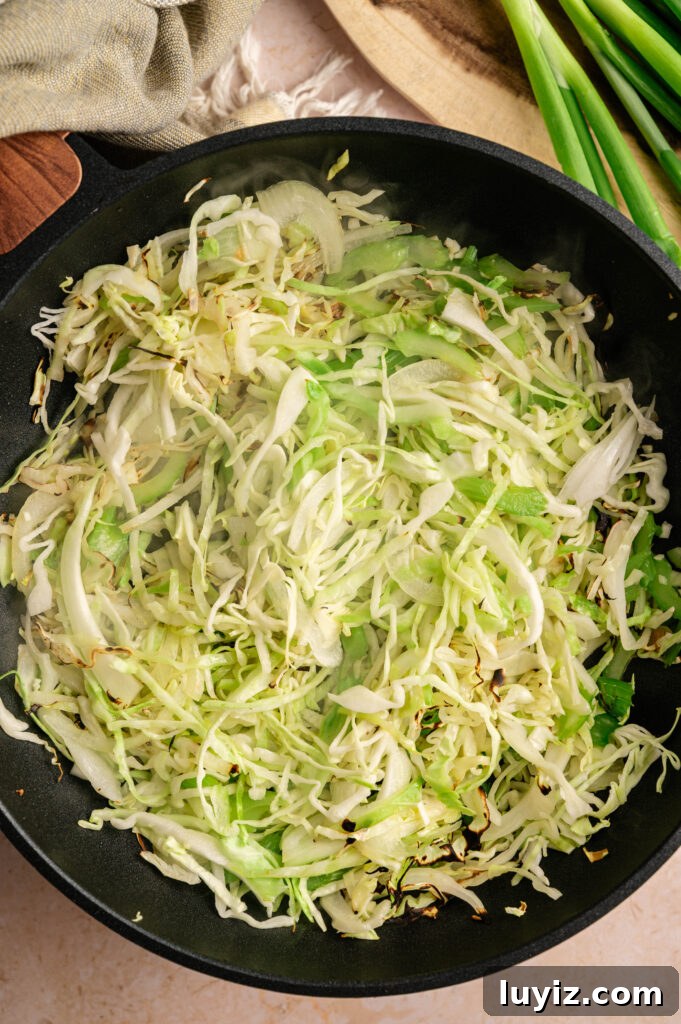
Heat a wok or large nonstick skillet over high heat with a little neutral oil. Add the sliced onion, cabbage, celery, and minced garlic. Stir-fry quickly—about one minute—until the edges soften but the vegetables remain crisp.
Add the noodles and sauce
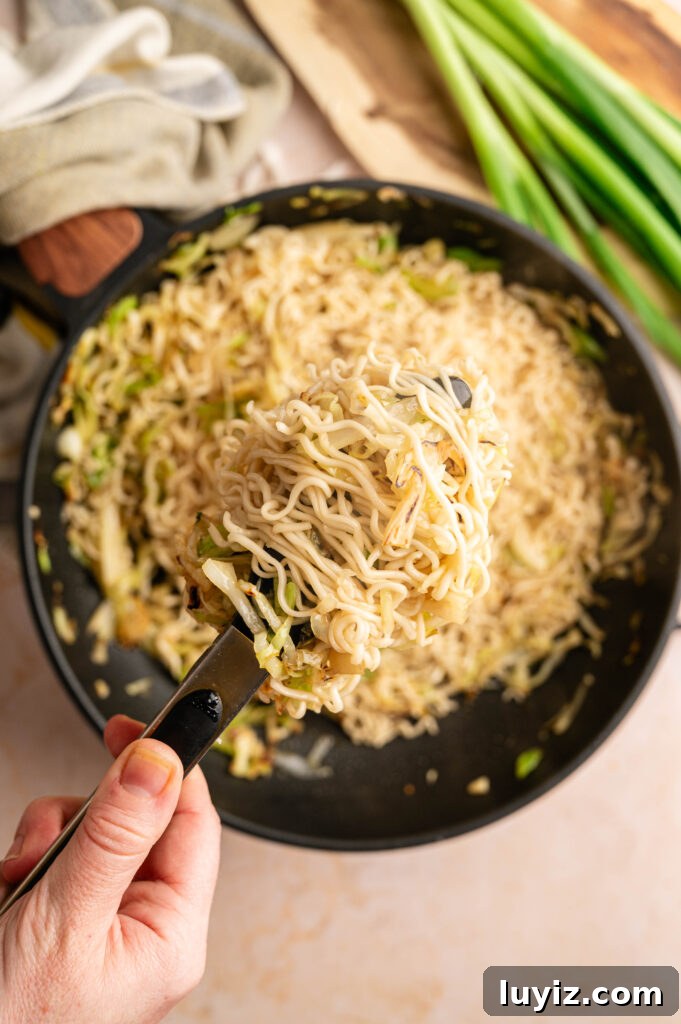
Push the vegetables to one side, add the drained noodles to the pan, and pour the prepared sauce directly over them. Toss everything so the sauce evenly coats the noodles.
Thicken with the slurry
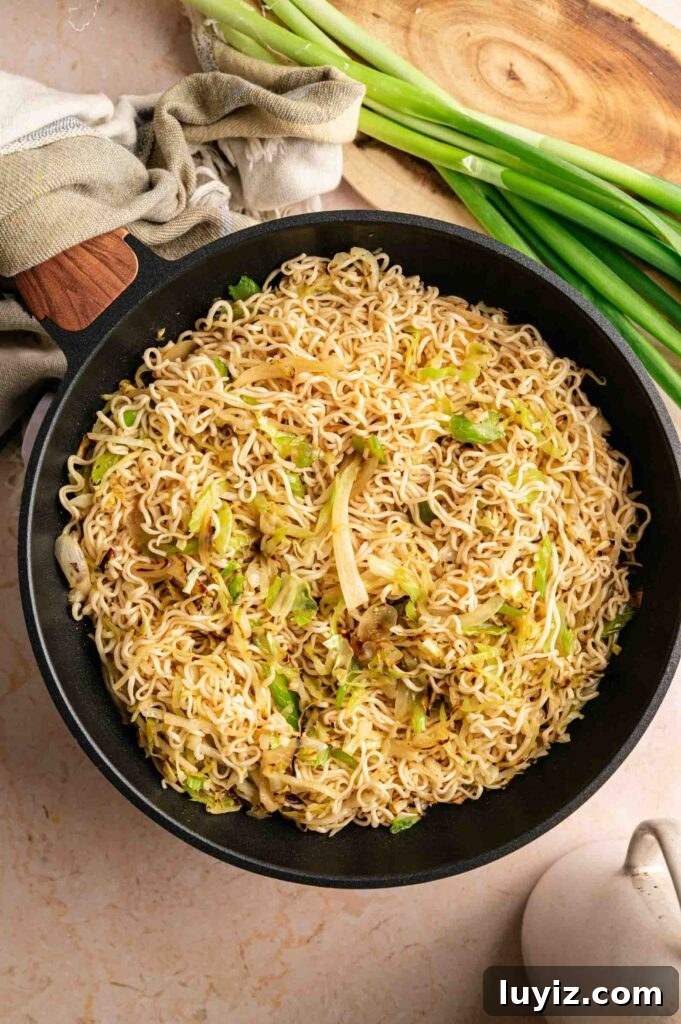
Whisk together the chicken (or vegetable) broth and cornstarch until smooth, then pour into the pan. Toss continuously for under a minute as the sauce thickens and becomes glossy, coating every strand of noodle.
Garnish and serve
Finish with chopped green onions and serve the chow mein immediately while the noodles still have that spring. For make-ahead convenience, slice the vegetables and mix the sauce a day ahead; keep them separate until you cook.
Recipe Notes and Expert Tips
- Buy fresh refrigerated noodles rather than dried packaged noodles; they cook and behave differently.
- Make sure the pan is hot before adding noodles or vegetables. A cool or wet pan causes sticking and tearing.
- Cook the vegetables over high heat to develop a light char that mimics takeout flavor.
- Stir the cornstarch slurry again right before adding it to the pan; it settles quickly and can thin the sauce if not recombined.
- Keep the vegetables moving in the pan and remove them promptly—cabbage and celery go from crisp to soft quickly.
Recipe Variations
- Add a protein: Thinly sliced chicken or shrimp can be cooked separately and folded in before the noodles.
- Swap the noodles: Fresh yakisoba or plain, unseasoned fresh ramen are good alternatives.
- Make it vegetarian: Use vegetarian oyster-style sauce and vegetable broth in place of oyster sauce and chicken broth.
- Add more vegetables: Bean sprouts, thin bell pepper strips, or snow peas can be included—use modest amounts so they don’t water down the pan.
How to Store Leftovers
Refrigerate leftovers within two hours in an airtight container; they keep well for up to four days. Reheat in a hot skillet with a splash of water or broth to loosen the noodles, and heat until the food reaches 165°F (74°C). For longer storage, freeze portions in freezer bags for up to two months and thaw overnight in the refrigerator before reheating.
What to Serve With Panda Express Chow Mein
Chow mein makes an excellent side or base for a protein. A sweet glazed chicken or a quick sautéed vegetable side pairs well to create a balanced plate. Steamed or stir-fried greens add color and freshness alongside the noodles.
FAQs
Chow mein noodles are cooked briefly and tossed in a very hot pan so they remain firmer; lo mein noodles are boiled until soft and then mixed with sauce. This recipe aims for the lighter, springier chow mein texture.
Look for fresh chow mein or yakisoba noodles in the refrigerated section. If those aren’t available, plain fresh ramen is an easy substitute.
As written it uses oyster sauce and chicken broth, so it is not vegetarian. Swap in vegetarian oyster-style sauce and vegetable broth to make a meatless version.
Recipe
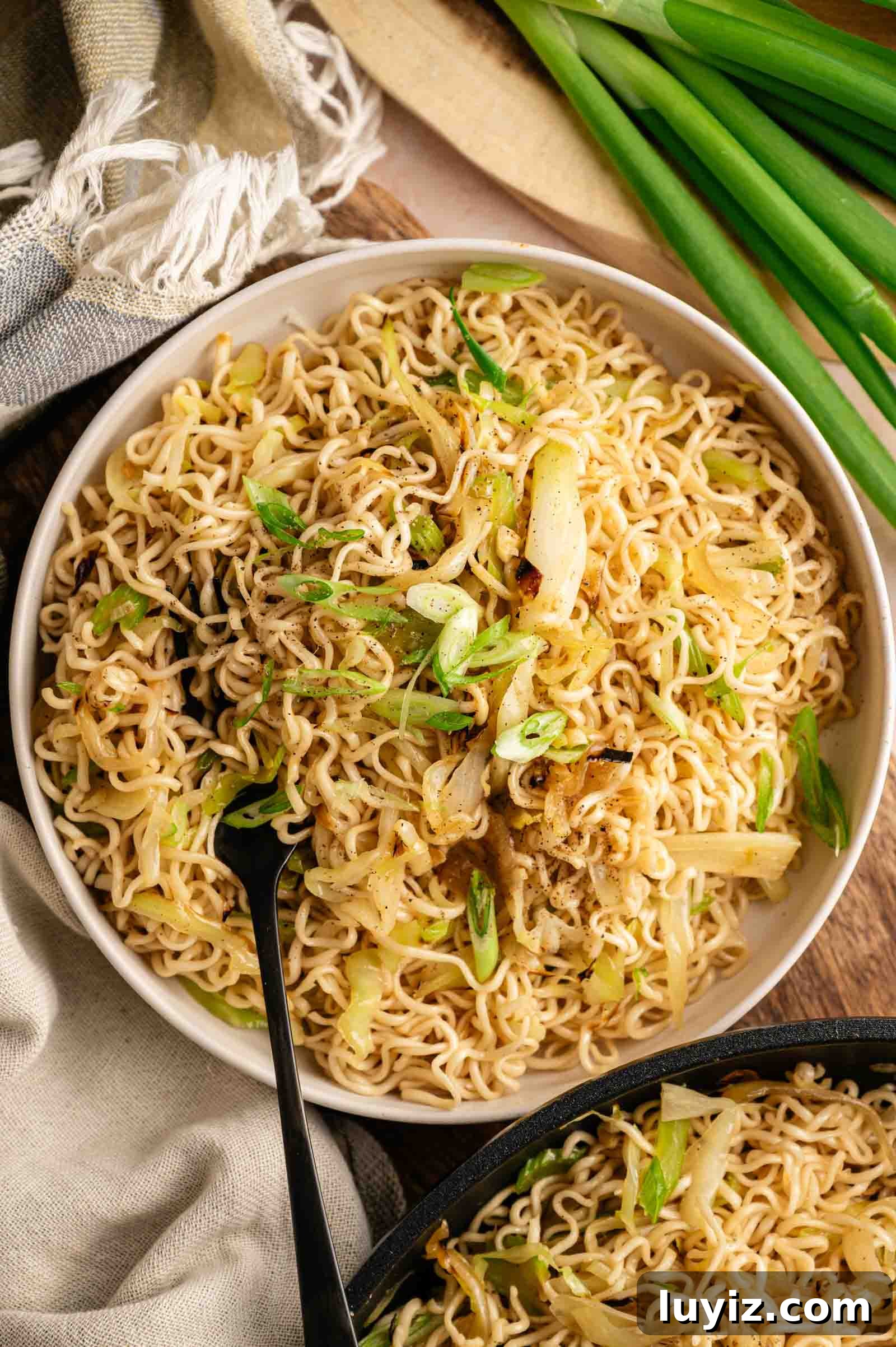
Copycat Panda Express Chow Mein
Prep Time: 15 minutes | Cook Time: 10 minutes | Total Time: 25 minutes
Servings: 4 | Calories: 335 kcal (approx.)
Ingredients
- Chow Mein: 8 ounces chow mein noodles; 2 cups thinly sliced cabbage; 1 cup sliced celery; ½ cup sliced onion; 2 garlic cloves, minced.
- Sauce: 2 tablespoons vegetable oil; 2 tablespoons soy sauce; 2 tablespoons oyster sauce (or vegetarian oyster-style sauce); 1 tablespoon sesame oil; 1 teaspoon sugar.
- Finishing: ¼ cup chicken or vegetable broth; ½ tablespoon cornstarch; chopped green onions for garnish.
Instructions
- In a small bowl, whisk together the vegetable oil, soy sauce, oyster sauce, sesame oil, and sugar. Set aside.
- Bring a pot of water to a boil. Add the noodles and cook 20–30 seconds until loosened. Drain well and toss with a little oil to prevent sticking.
- Heat a large skillet or wok over high heat. Add a little neutral oil, then stir-fry the onion, cabbage, celery, and garlic for about 1 minute until slightly softened but still crisp.
- Push the vegetables to one side of the pan. Add the drained noodles and pour the prepared sauce over them. Toss to combine.
- Whisk the broth and cornstarch together, then pour into the pan. Toss until the sauce thickens slightly and coats the noodles.
- Garnish with chopped green onions and serve immediately.
Notes
- Refrigerate leftovers within two hours in an airtight container.
- Pull the noodles after 20–30 seconds and toss with oil right away to prevent clumping.
- Ensure the pan is very hot before adding ingredients to avoid sticking and to get a light char.
- Re-whisk the cornstarch slurry immediately before adding; it settles quickly.