
We live in a culture that stigmatizes sobriety while normalizing alcohol as if it were anything but an addictive drug. Recently I discovered a growing movement of people choosing sobriety and prioritizing their physical, mental, and spiritual health over one more blurry night out and the predictable hangover that follows. At first I thought this lifestyle belonged to some other planet, but after diving into articles, personal essays, and research, it became clear this trend has been quietly expanding for years.
So why don’t we hear more about this group of people who are researching alcohol and its proven effects on the body and mind? The answer lies partly in how society markets alcohol and how deeply those messages are embedded in our daily lives.
Advertising and Alcohol

From my earliest memories, advertising has portrayed alcohol as a kind of magical elixir that makes people more attractive, witty, and fun. Movies and television often use drinking scenes to establish character warmth or romance—the brooding detective leaning on a whiskey, a group of friends getting plastered to cope with heartbreak, or the glamorous single woman who attracts attention while sipping a cocktail alone at a bar. These images tell us that alcohol is synonymous with desirability and social success.
Today, marketing has evolved to target specific life stages. Brunch culture turns daytime drinking into a lifestyle statement for millennials, while social media and targeted ads sell the idea that a glass of wine is an essential coping tool for stressed parents. The message becomes: you need alcohol to celebrate, to relax, or to survive the weekend.
It’s alarming that promoting a mind-altering substance is treated as normal self-care or a rite of adulthood. That normalization obscures the fact that alcohol changes brain chemistry and can lead to patterns that are difficult to reverse.
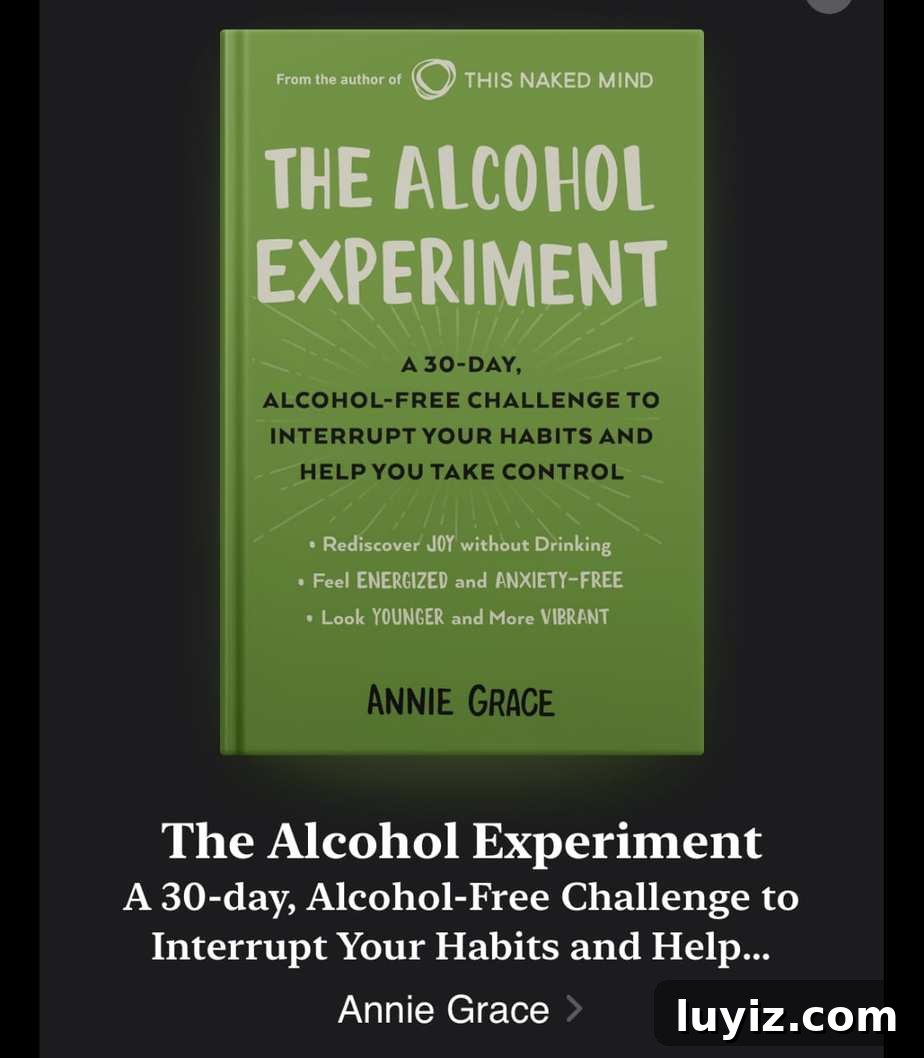
“Oh, You Don’t Drink Anymore? Are You a Recovering Alcoholic?”
I want to make one thing clear up front: I respect treatment programs and professionals who help people recover from addiction. My family has been touched by substance use disorder, and I know how serious and complex recovery can be.
At the same time, not everyone who drinks regularly is an alcoholic, and not everyone who chooses sobriety is in recovery from a diagnosed disorder. Society has conditioned us to equate abstaining with illness or weakness. If you opt out of drinking, people often assume you must have a problem—that speaks volumes about how skewed our view of alcohol is.
Today marks 18 days since I stopped drinking, and the reactions I’ve received—concerned looks, puzzled questions, subtle pity—have been revealing. People assume a binary: you either drink socially without consequence or you’re an alcoholic in need of help. The reality is more complicated.
I was a classic gray-area drinker. I kept my job, obeyed the rules during the workweek, and didn’t have any overt legal or family crises. But from Friday through Sunday I’d regularly finish four bottles of wine or more. I’d look forward to that first glass all week. Two glasses might help me unwind while making dinner; after that, another two or three would follow. My behavior shifted—I became loud and overly talkative, sometimes so disruptive my husband would turn the TV off. Emotions would rise quickly: anger, sadness, irritation—often about things that wouldn’t bother me when I was sober. I’d pick fights I couldn’t even remember the next morning.
Saturdays often started with a mimosa, and planned activities like a morning workout would dissolve under the weight of an inevitable hangover. A mimosa would temporarily lift the fog, and the cycle continued. By Sunday evening I’d be winding down, but the residual effects of alcohol—fatigue, low mood, and slowed clarity—would hang around until midweek as my body recovered.
That pattern is familiar to many. Not everyone who struggles with alcohol is publicly falling apart, but many live with a relationship to drinking that dims their experiences and limits their potential. Alcohol dulls emotions, blunts memories, and interrupts genuine connection.
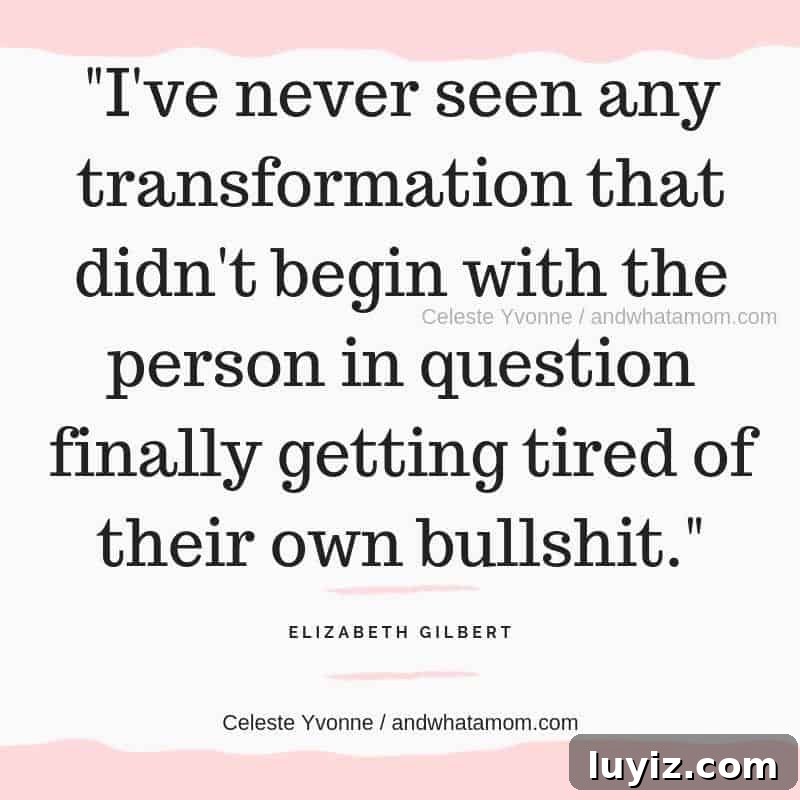
Since I stopped drinking, I’ve noticed I can connect more deeply with people and with myself. Nights out feel fuller and more present. I’m rediscovering activities I used to enjoy without the haze of alcohol. Most importantly, I’m learning to welcome fear and anxiety instead of numbing them. When uncomfortable feelings arise, I pause and investigate what’s behind them—what belief or learned pattern is fueling that emotion. Much of the anxiety we feel is rooted in stories we’ve told ourselves; drinking often became a quick, habitual escape from those stories.
Now I’m actively unlearning behaviors and beliefs that no longer serve me. I’m replacing the automatic reach for a drink with curiosity about my emotions and kinder, healthier coping strategies. The results so far are clearer thinking, restored energy, and a growing sense of authenticity.
Why Not Just Drink in Moderation?
I’m not denying that I had an unhealthy relationship with alcohol—my weekend pattern made that clear. But that doesn’t mean I identify as someone who will always be in lifelong recovery from a disease. For me, moderation has been tested repeatedly and it doesn’t work. That first glass almost always leads to two or three more. I admire people who can drink in moderation; my husband is one of them. He can enjoy a drink or not, without it affecting his life. I respect that.
I also respect people who look honestly at their own limits and make life changes that improve wellbeing. Choosing sobriety is my personal decision based on how alcohol affected my life. Living alcohol-free is a conscious lifestyle choice that brings me greater clarity, fulfillment, and long-term happiness.