
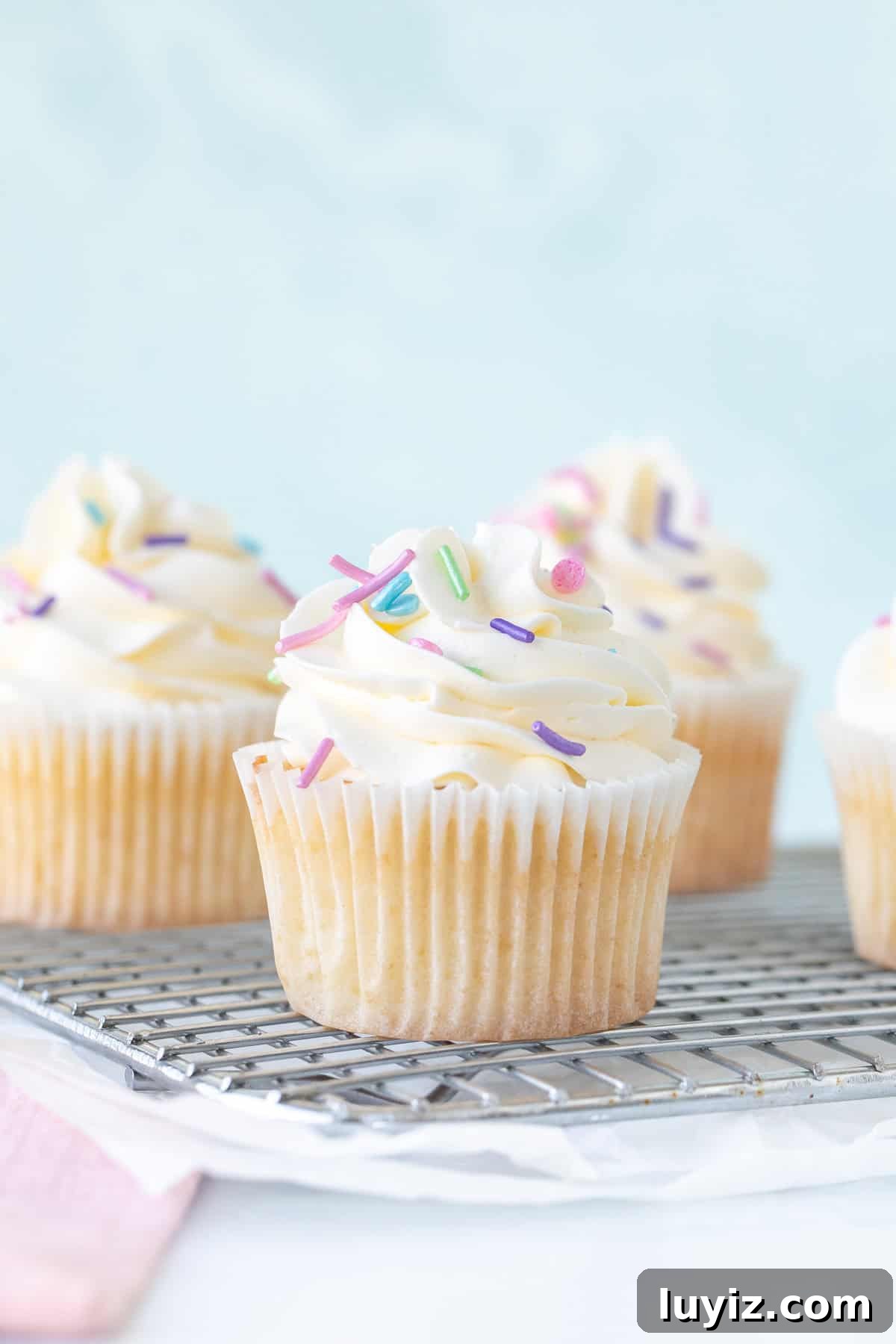
Swiss meringue buttercream is silky, light, and not overly sweet. It pipes beautifully on cakes and cupcakes, holds its shape, and gives a glossy, smooth finish. Below are clear steps, tips, and troubleshooting advice to help you make perfect Swiss meringue buttercream.
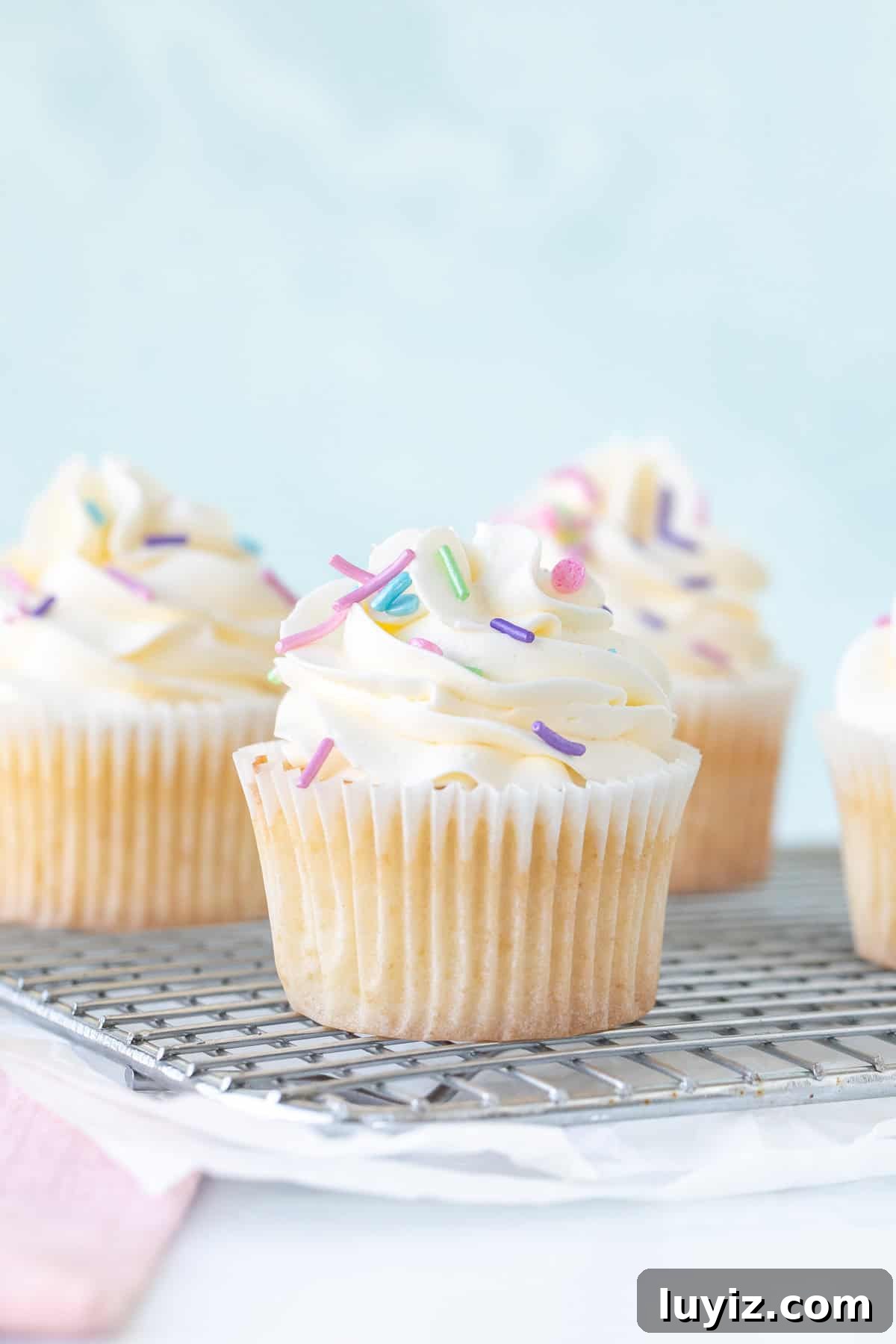
What is Swiss Meringue Buttercream?
Swiss meringue buttercream is made from egg whites, granulated sugar, butter, and flavoring. Egg whites and sugar are gently heated together in a double boiler until the mixture reaches 160°F (70°C) and the sugar dissolves. The heated mixture is then whipped into a glossy meringue with stiff peaks before adding room-temperature butter in small pieces. The result is a light, airy buttercream that holds its shape and has a smooth, almost glossy finish without being overly sweet.
Because the sugar and egg whites are heated to the safe temperature, the frosting is safe to eat when prepared correctly. The texture is cloud-like, yet stable enough for piping and decorating.
American Buttercream vs Swiss Meringue
American buttercream is made by creaming butter with powdered sugar and usually milk or cream, producing a rich, sweet frosting that’s quick to make. Swiss meringue buttercream takes more time and attention but yields a lighter, silkier, less sweet finish. If you need a fast, simple frosting, American buttercream is a great choice. If you want a glossy, airy, and refined buttercream, Swiss meringue is worth the extra effort.
How to Make Swiss Meringue Buttercream
Read the full steps before starting and follow the tips to get the best results. Wiping down bowls and whisk attachments with a little vinegar helps remove any residual grease that would prevent the meringue from forming properly.
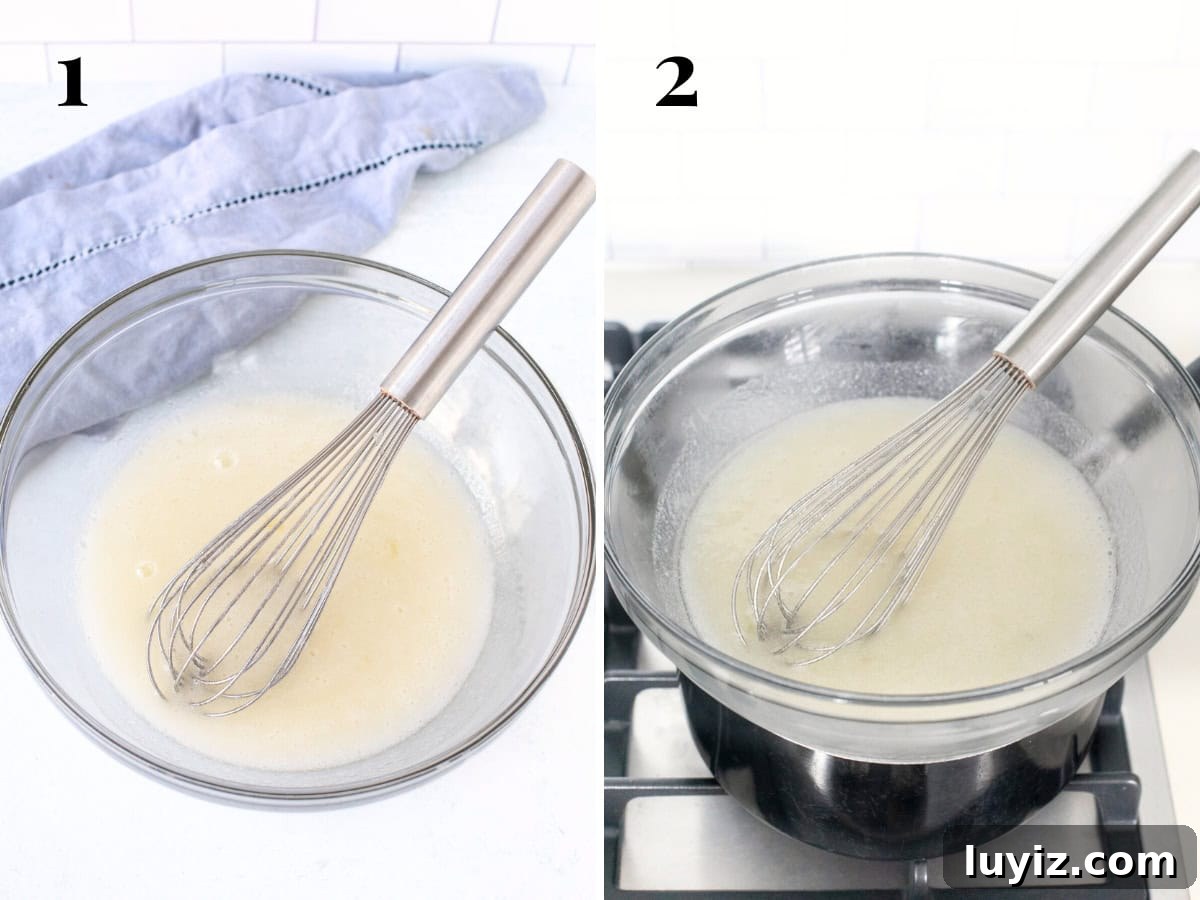
- Whisk the egg whites and granulated sugar together in a clean metal bowl. Make sure no yolk contaminates the whites. This step helps break down lumps of sugar before heating.
- Place the bowl over a pan with gently simmering water (double boiler). Keep the burner low so the water simmers, not boils, and make sure the bowl bottom does not touch the water. Whisk continuously for 4–6 minutes until the sugar fully dissolves and the mixture reaches 160°F (70°C) or feels smooth when rubbed between your fingers with no sugar granules.
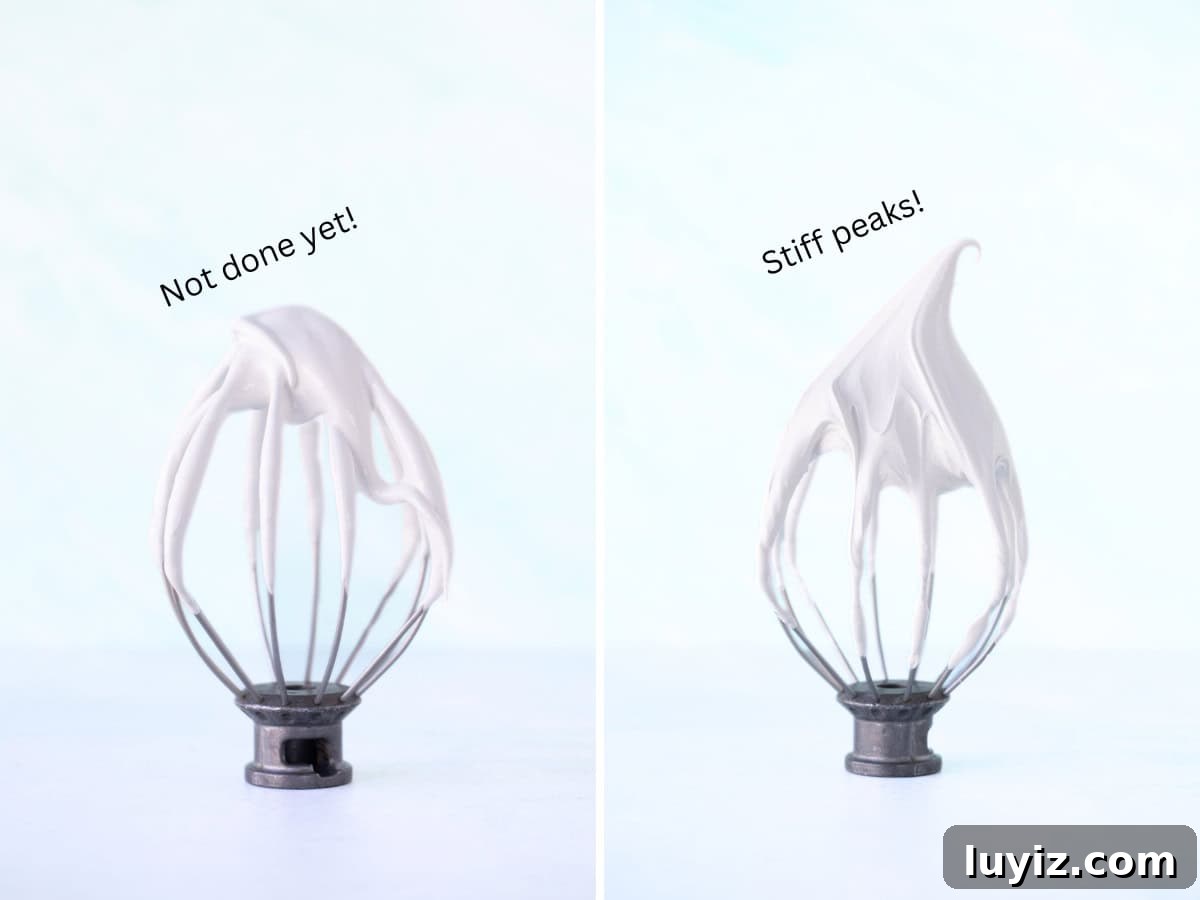
- Remove the bowl from the heat and transfer the mixture to a stand mixer fitted with the whisk attachment. Start on low speed and gradually increase to medium, whipping until the meringue is white, glossy, and forms stiff peaks. This can take 10–20 minutes depending on conditions; humid days may require more time. When the whisk is lifted, the meringue should hold its shape and not drizzle back into the bowl.
- Allow the meringue to cool to room temperature. If it feels warm, chill it in the fridge for about 10 minutes. Switch to the paddle attachment and add room-temperature butter, 1–2 tablespoons at a time, waiting until each piece is incorporated before adding more. The butter should be softened but still slightly firm—not greasy or melting.
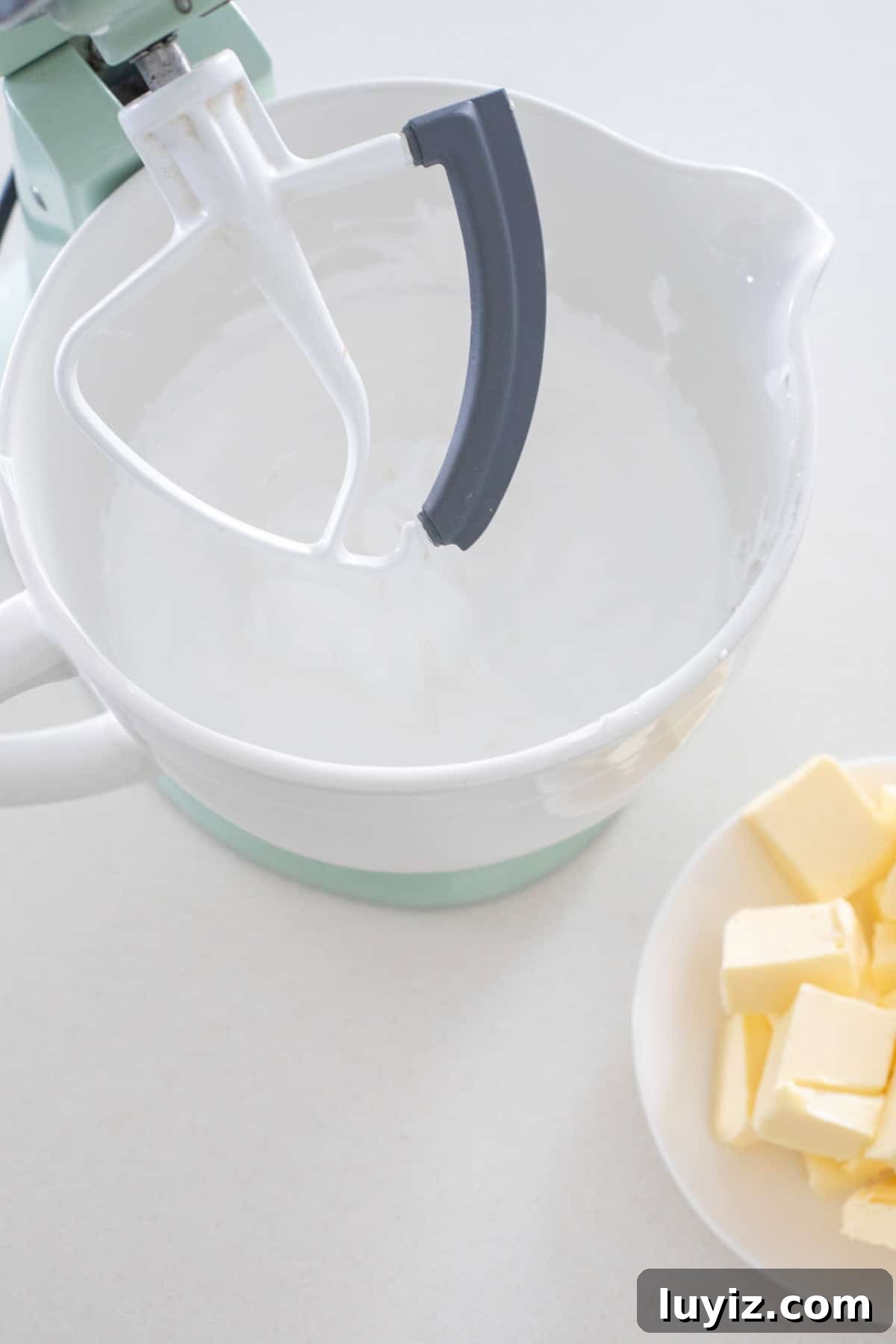
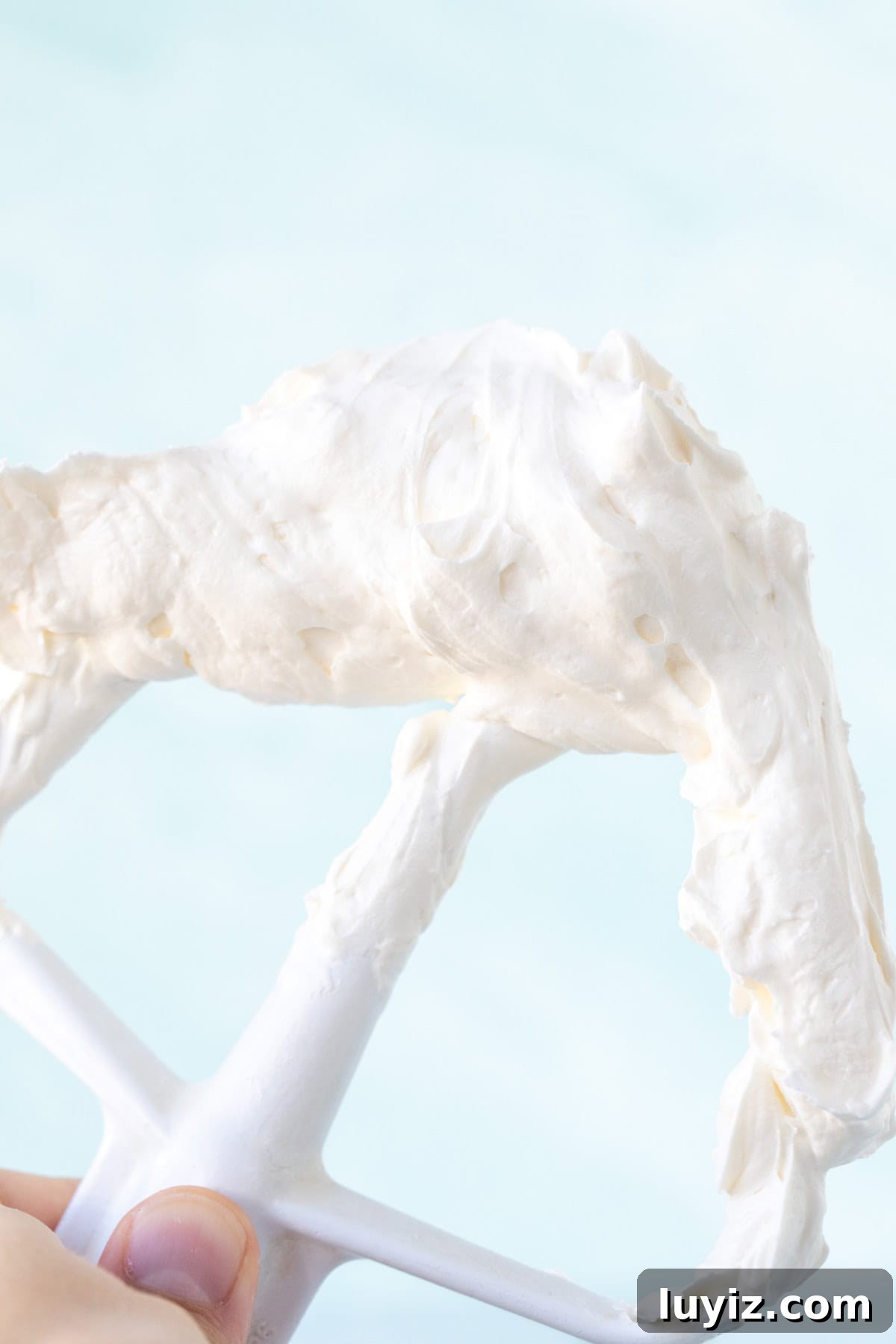
Once all butter is incorporated, mix in salt and vanilla extract. The finished buttercream should be smooth, glossy, and spreadable.
Troubleshooting
Common issues and fixes:
- If the buttercream is too thin:
- It may be because the meringue never reached stiff peaks. If you’ve already added butter, chilling the bowl for 10–20 minutes and then continuing to whip can help. If the butter was too soft or the meringue still warm when added, chill until cool and rewhip.
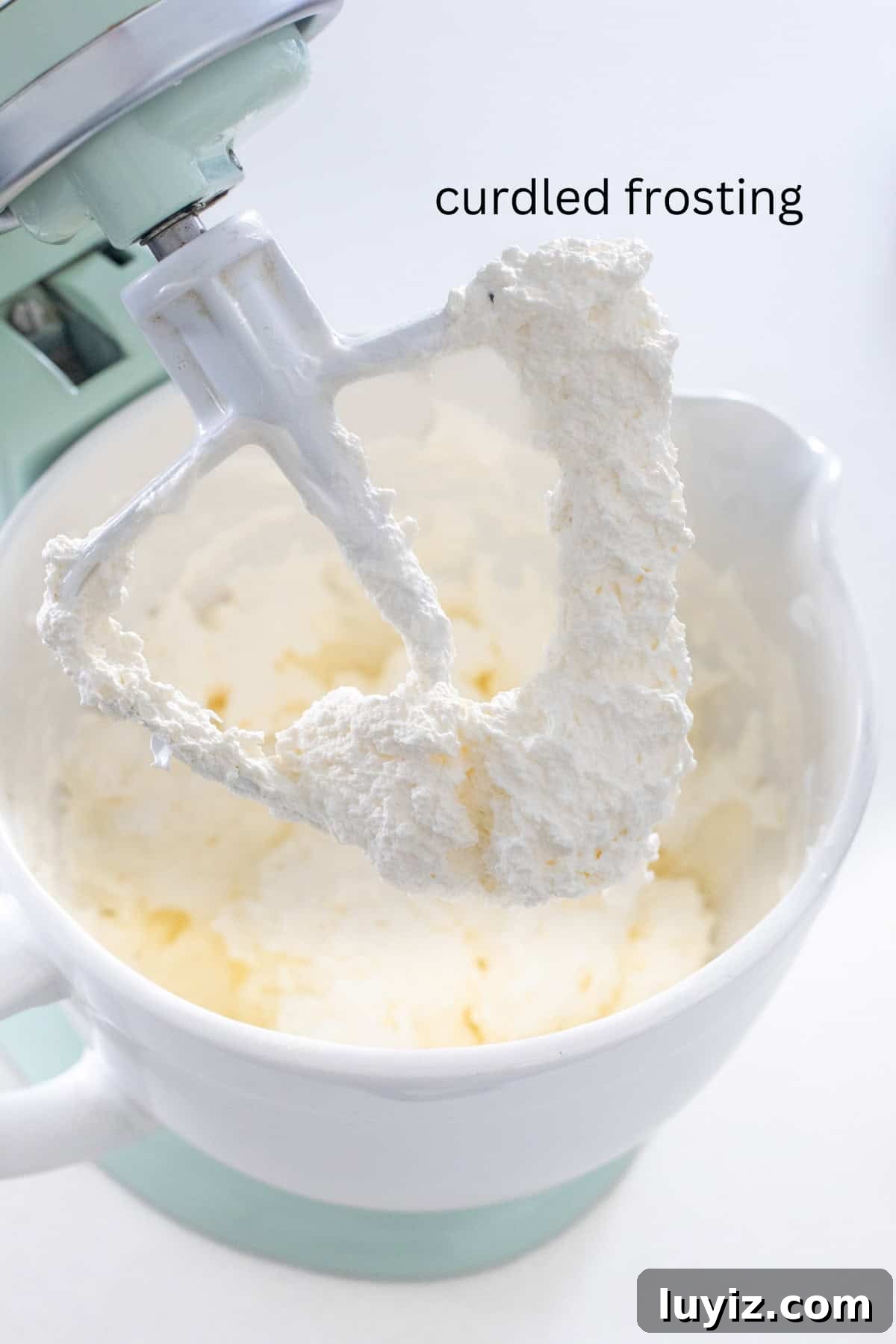
- If the buttercream curdles:
- If it looks curdled or separated, place the bowl briefly over the double boiler (about 30 seconds to 1 minute) until the edges just begin to soften, then whisk on low until smooth. Repeat if necessary.
- If the frosting is grainy:
- That indicates the sugar didn’t fully dissolve during heating. When heating the egg white and sugar mixture, rub a small amount between your fingers to confirm no granules remain.
Adding Flavorings
Swiss meringue adapts well to many flavors. Because it’s less sweet than American buttercream, flavorings can be more subtle. Suggested additions:
- Caramel: Fold in about 1 cup thick salted caramel sauce after the butter is incorporated.
- Chocolate: Melt about 1 cup (≈160 g) semi-sweet or 50% dark chocolate, cool completely, then beat into the buttercream.
- Coffee: Dissolve 1 tablespoon instant coffee in boiling water, chill until cool, then whisk into the finished buttercream.
- Extracts (peppermint, almond, lemon, orange): Add 1–3 teaspoons to taste and omit vanilla if desired. Add extracts slowly until you reach the preferred intensity.
Storage & Freezing
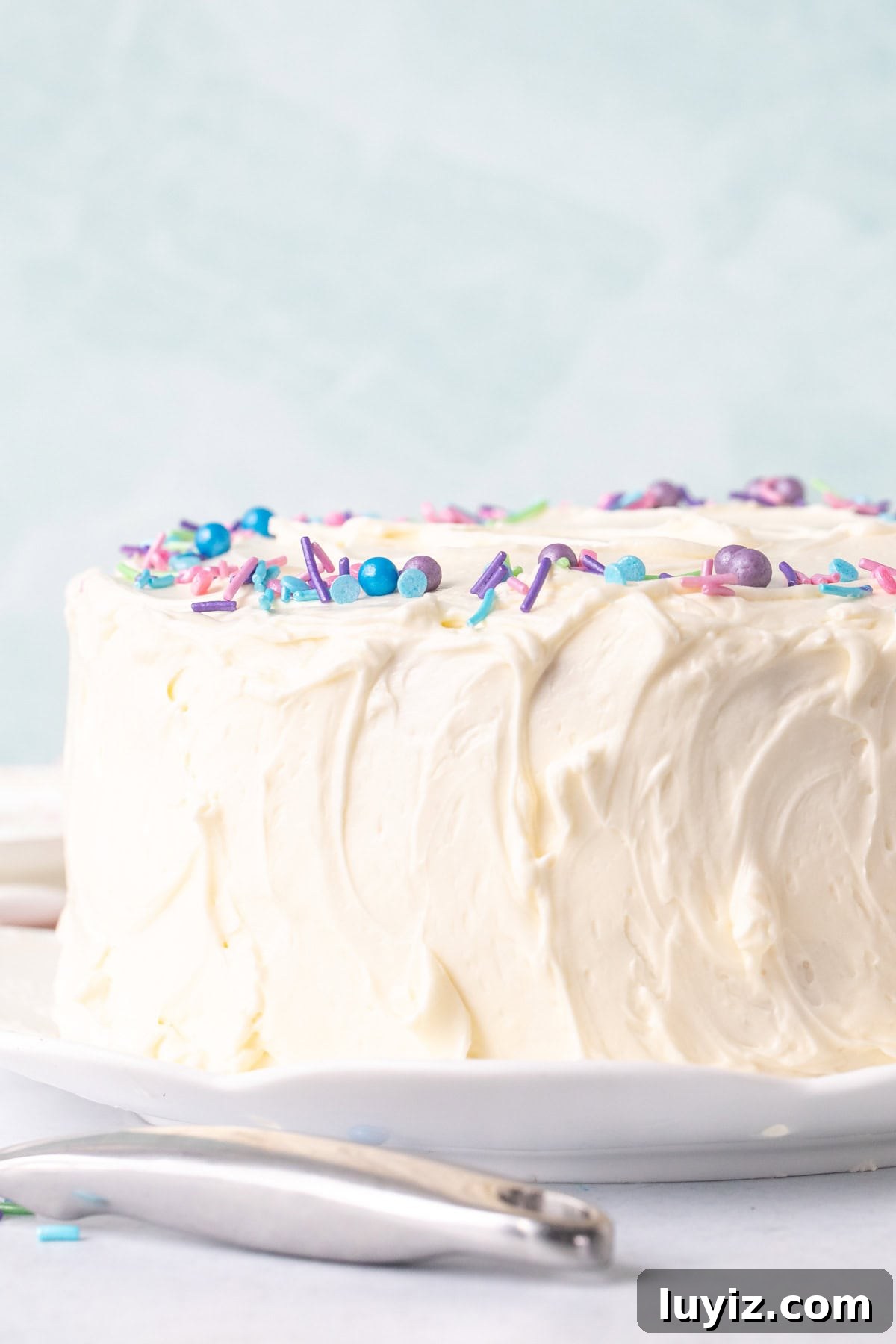
Store frosted goods covered at room temperature up to 1 day (refrigerate in warm or humid climates). Leftover frosting keeps in an airtight container in the fridge for up to 5 days. Bring to room temperature for about 30 minutes and rewhip on low if needed. If it curdles, warm briefly over a double boiler and whisk until smooth.
Frosting freezes well for up to 2 months. Thaw overnight in the fridge, then bring to room temperature and rewhip as needed.
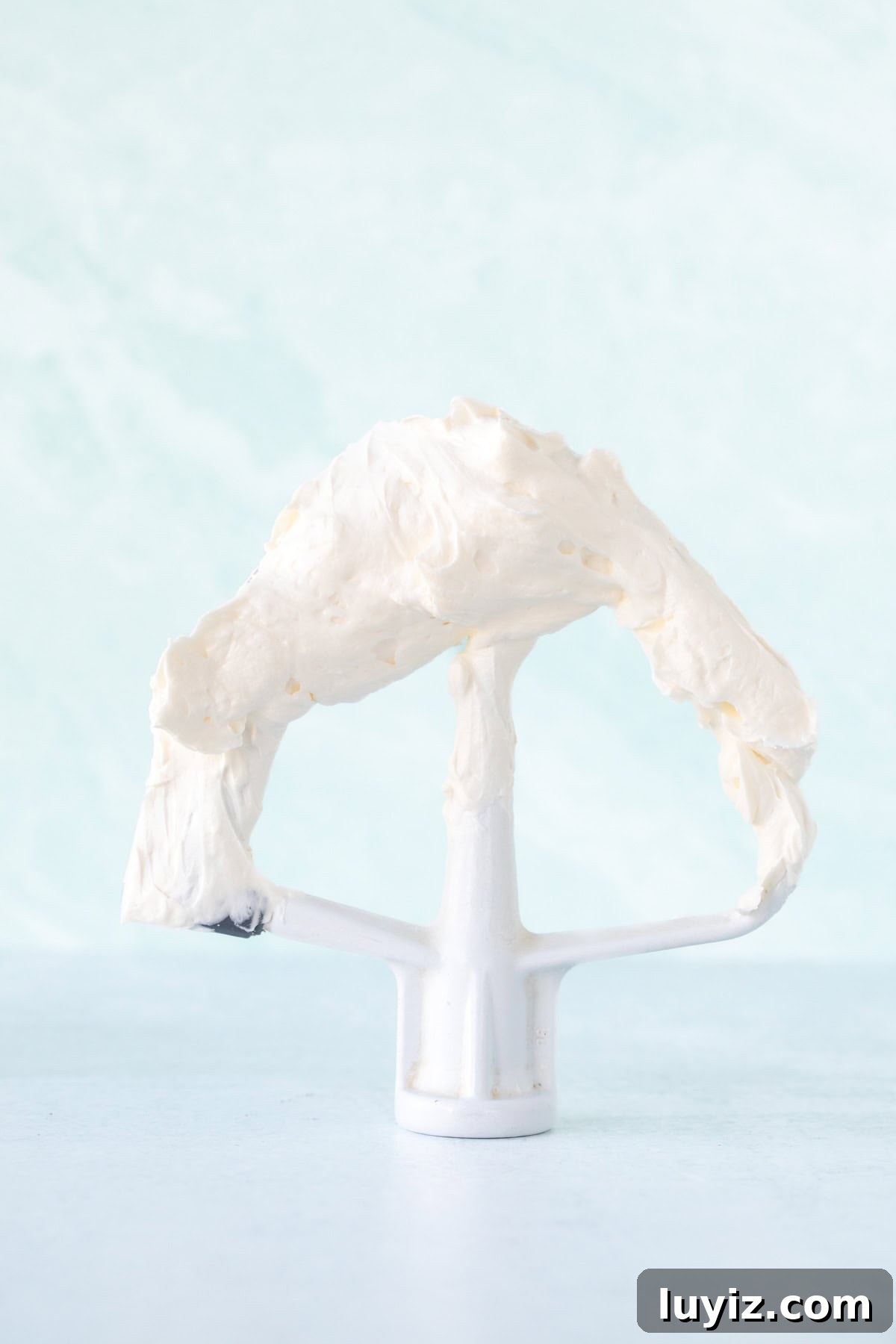
Creamy, fluffy, and silky—Swiss meringue buttercream is a refined choice for cakes and cupcakes. It pairs well with vanilla cupcakes, layer cakes, chocolate cakes, and funfetti cakes when you want a not-too-sweet, elegant finish.

Swiss Meringue Buttercream Frosting
Ingredients
- 6 large egg whites, discard the yolks
- 2 cups granulated sugar (400 grams)
- 2 cups unsalted butter (454 grams), softened but not melting
- 2 teaspoons vanilla extract
- 1/2 teaspoon salt
Instructions
Prep
-
Separate the eggs while they are cold. I recommend separating them about 20 minutes before starting so the whites come closer to room temperature.
-
Wipe down bowls and attachments with vinegar and dry thoroughly to remove any grease.
Make the Frosting
-
Whisk egg whites and sugar together in a bowl.
-
Place the bowl over simmering water (bottom of bowl should not touch the water). Gently whisk for 4–6 minutes until the sugar dissolves and the mixture reaches 160°F (70°C). Test by rubbing a small amount between fingers to ensure no granules remain.
-
Remove from heat, transfer to a stand mixer with the whisk attachment, and whip on low to medium until stiff peaks form (10–20 minutes).
-
When the meringue is cool to the touch, switch to the paddle attachment and add butter one piece at a time, incorporating each piece before adding the next.
-
Mix in salt and vanilla. If the frosting is thin, chill briefly and rewhip. If it curdles, warm briefly over simmering water and whisk until smooth.
Notes
- Yield: Enough for 24 cupcakes or to frost a 9-inch layer cake; an 8-inch two-layer cake will leave some leftover.
- Mixers: You can make this without a stand mixer, but it will take much longer and you’ll need a very large bowl.
- Storage: Frosted cakes can be stored covered at room temperature up to 1 day (refrigerate if warm). Leftover frosting keeps up to 5 days in the fridge and up to 2 months in the freezer. Thaw in the fridge and bring to room temperature before rewhipping.
- Humidity: Heat and humidity affect results. Avoid making this on a hot, humid day unless you have reliable air conditioning.
- Nutrition: Nutrition information is an estimate based on dividing the frosting among 24 cupcakes.
Nutrition
Like this recipe? Rate and comment below!