
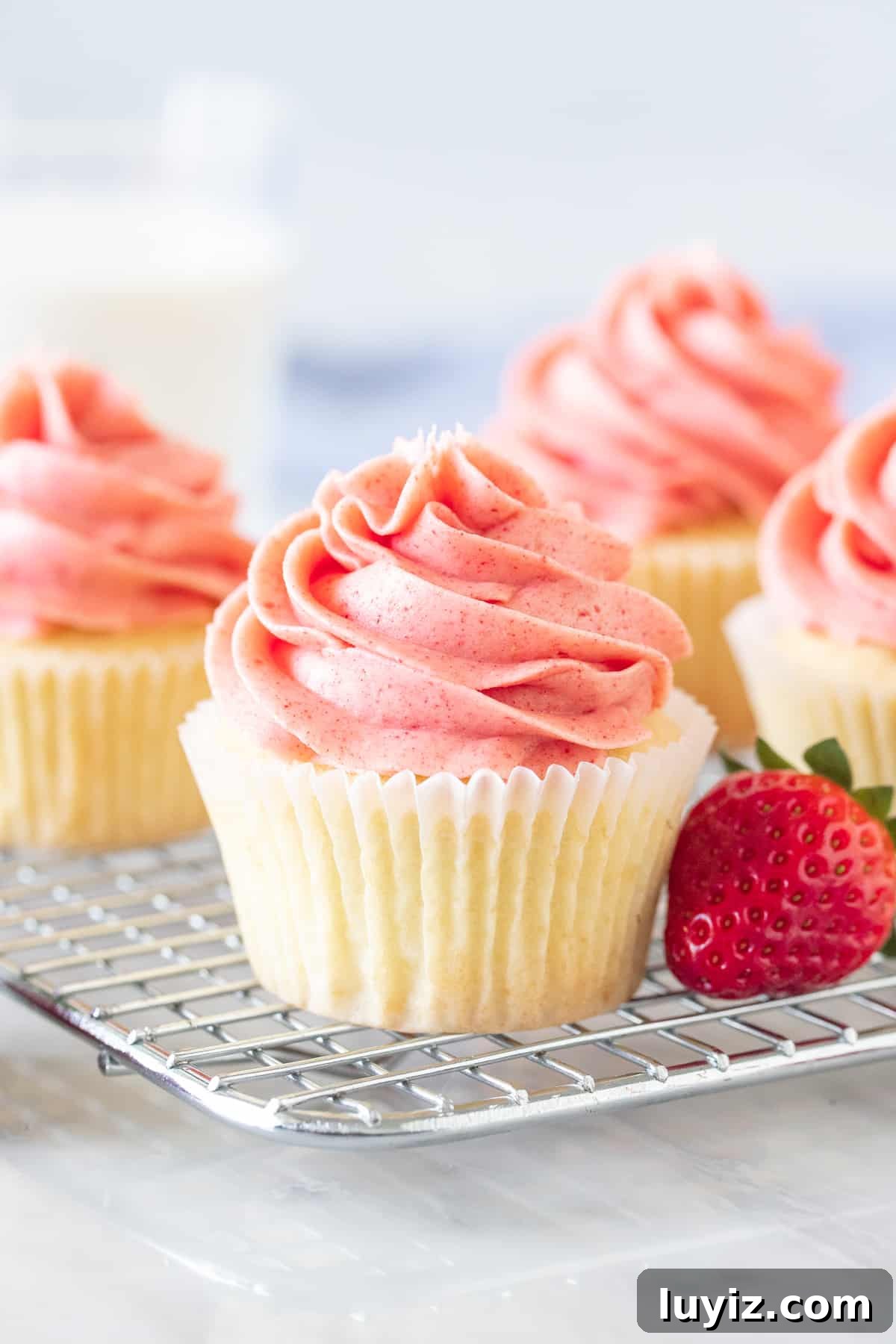
Baking doesn’t have to be difficult. These practical, easy-to-follow tips will improve your skills and help you bake better cakes, cupcakes, cookies, muffins and more. Apply these straightforward techniques and you’ll see more consistent, delicious results in the kitchen. 
My goal is to help home bakers create delicious treats. Whether you’re making a simple chocolate chip cookie or a rich cheesecake, baking is something anyone can learn. While certain skills—like perfecting laminated dough or advanced cake decorating—take time and practice, most everyday recipes for cookies, cupcakes, cakes and brownies are well within reach for a home baker.
These tips apply to nearly any recipe and will help set you up for success. Baking blends art and science, and the scientific side makes results predictable when you follow a few basic rules. Below are practical guidelines that are easy to adopt, even if you’re new to baking.
1. Read the Recipe from Start to Finish
Always read the entire recipe before you begin, then read it again. The recipe is your roadmap—knowing the sequence of steps prevents surprises like missing an ingredient halfway through or misunderstanding a technique. Reading the whole recipe helps you prepare properly and ensures smooth progress from start to finish.
2. Measure Your Ingredients Before Getting Started
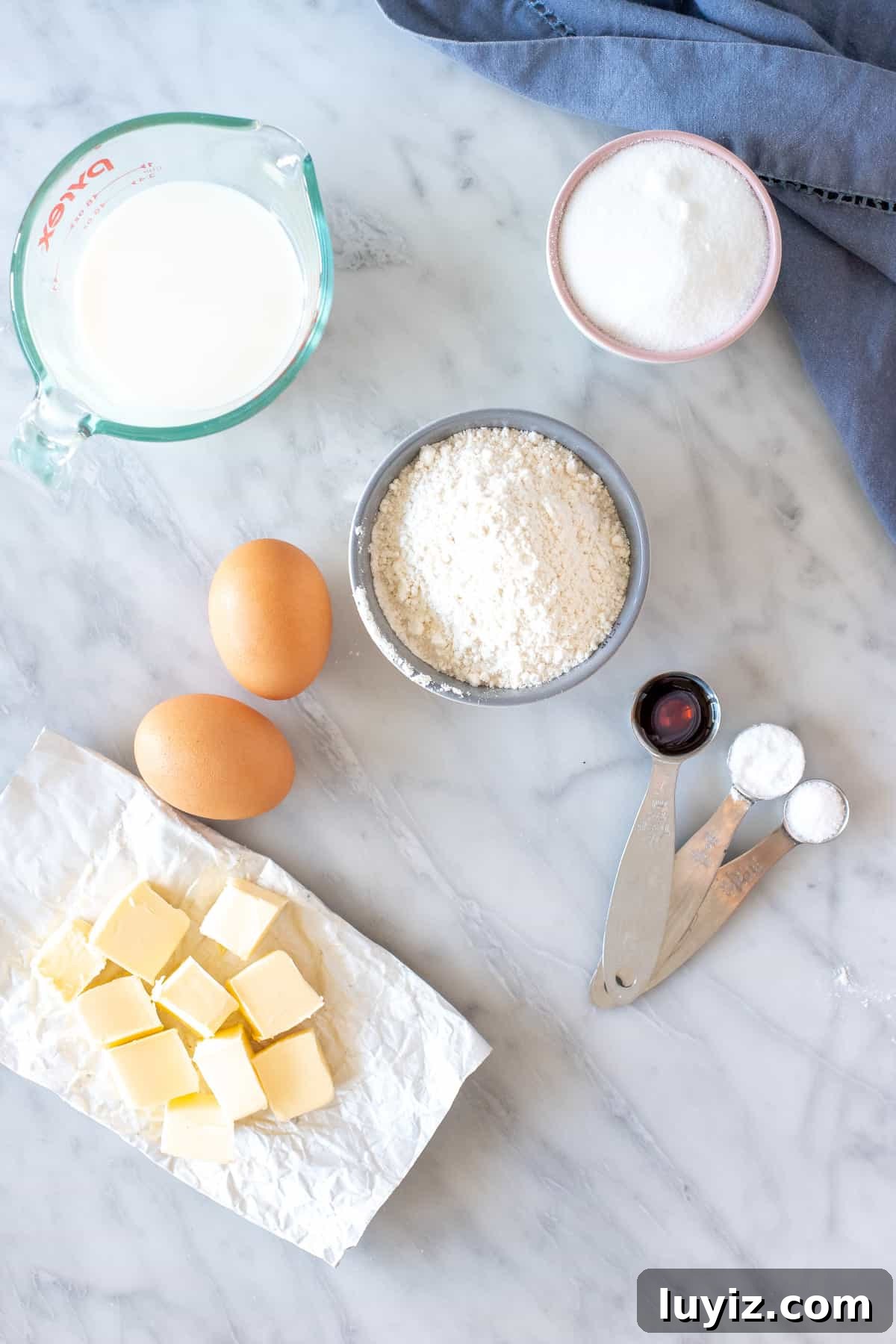
This practice is called mis en place—“to put in place.” Measure out ingredients, gather bowls and tools, and prepare any components (like sifting flour) before you begin. Mis en place keeps your kitchen organized, reduces stress, and is essential for time-sensitive steps. For example, when making caramel, you need butter ready to add immediately once the sugar reaches the right stage, or the sugar can burn.
3. Measure Ingredients Properly
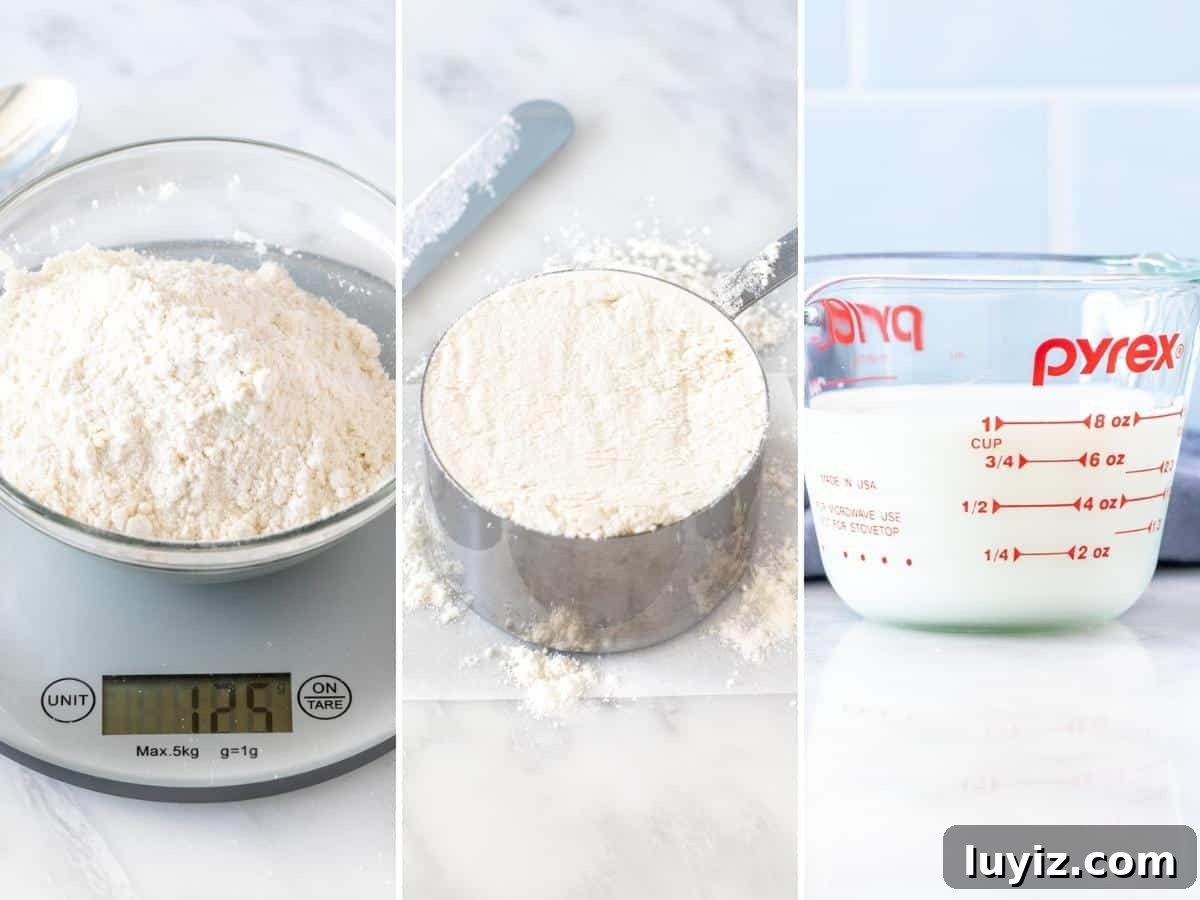
Baking is chemistry—accurate measurements matter. Too much flour or too little liquid changes texture and flavor. Use these measuring tips:
- Dry ingredients: The most accurate method is a kitchen scale. If you use measuring cups, use dry measuring cups and level them off with a flat edge so they’re not heaped.
- Wet ingredients: Measure liquids in a liquid measuring cup at eye level and fill to the indicated line to avoid errors.
Avoid using random cups or mugs for measuring; they don’t provide reliable results.
4. Pay Attention to Butter Temperature
Butter’s temperature affects texture and structure. Recipes call for cold, room temperature, or melted butter for specific reasons:
- Cold butter: Used in pie crusts, flaky pastries and scones. Cold butter creates steam pockets as it melts during baking, producing flakiness.
- Room temperature butter: Common in cakes and cupcakes. It creams with sugar to trap air, helping cakes rise and remain tender.
- Melted butter: Often used in brownies, quick breads and some cookies. Melted butter reduces aeration and gives denser, chewier results.
5. Use Room Temperature Ingredients — Unless Otherwise Stated
Bring eggs, dairy, and other refrigerated items to room temperature unless a recipe specifies otherwise. Room-temperature ingredients combine more evenly and reduce the need for excessive mixing. Overmixing can lead to tough, dry baked goods.
6. Don’t Make Substitutions
Recipe developers test combinations carefully. Each ingredient plays a role in flavor, structure, and chemistry. Unless a recipe indicates acceptable substitutions, avoid changing ingredients, because substitutions can alter texture, rise, flavor and overall outcome.
7. Mix the Ingredients Properly
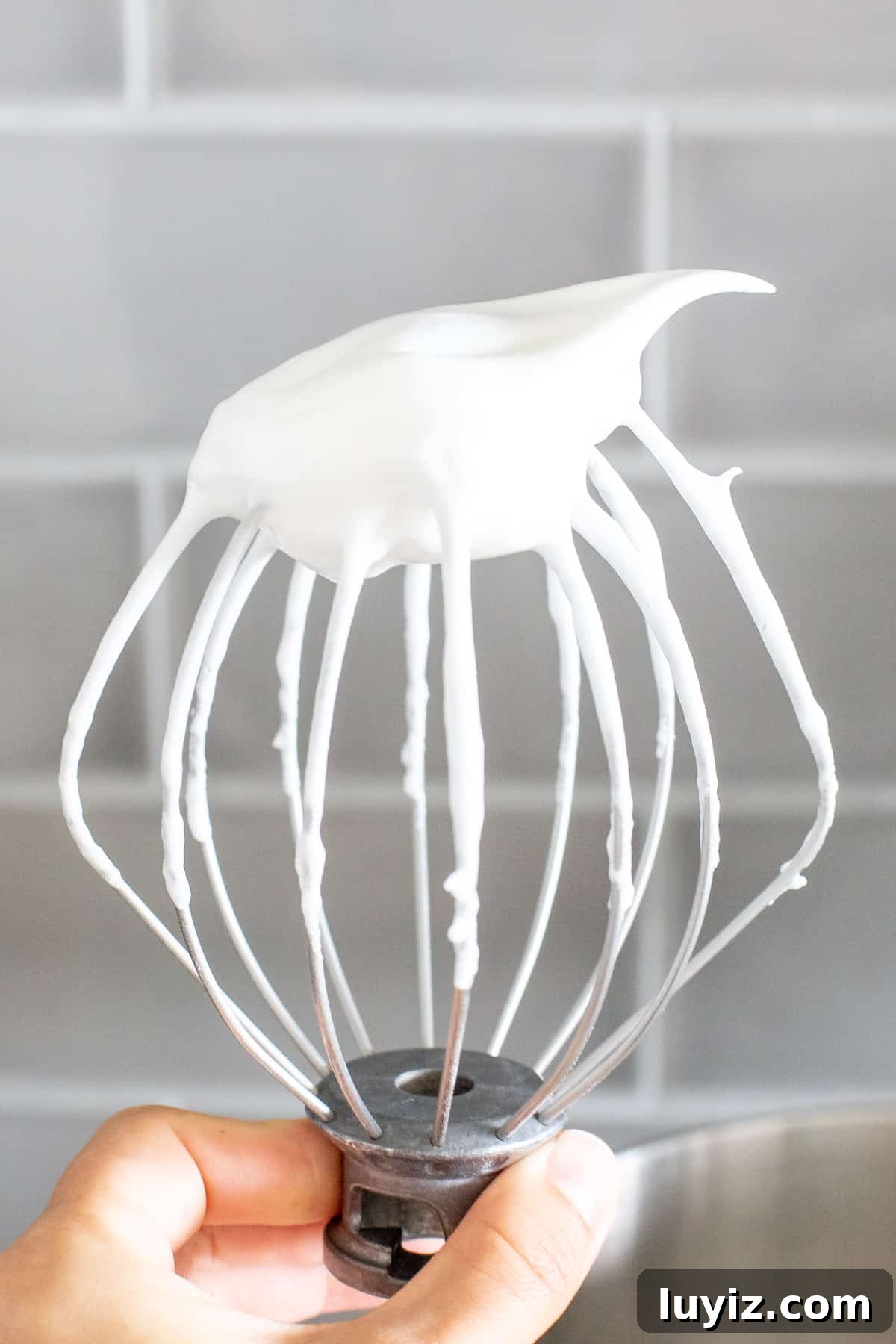
Follow mixing instructions precisely. If a recipe calls for whipping egg whites to stiff peaks, light whisking won’t suffice. Conversely, if a recipe instructs you to gently fold wet into dry ingredients, don’t use an electric mixer—overmixing will develop gluten and produce a dense or tough crumb.
8. Use an Oven Thermometer
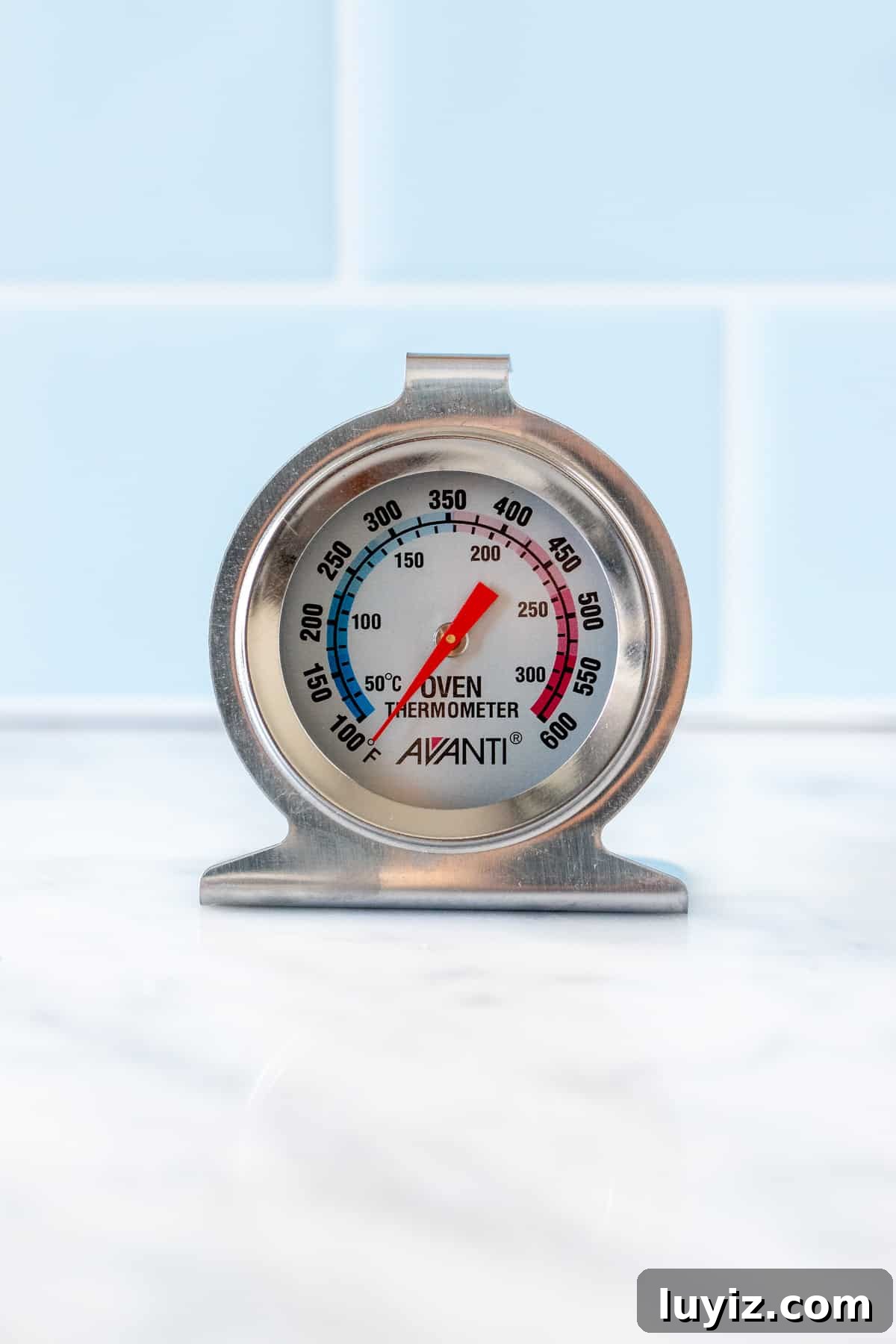
Oven dials can be inaccurate and vary between ovens. An oven thermometer placed on a rack gives a reliable reading so you can verify the actual temperature your oven reaches. This small tool helps avoid under- or overbaking and typically costs very little.
9. Don’t Peek — Keep the Oven Door Closed When Baking
Opening the oven door releases heat and can drop the internal temperature suddenly, which affects rising and texture. Keep the oven closed until the recommended end of baking time or until you’re close to finishing. This is especially important for delicate items like cheesecakes, which can sink or crack from sudden temperature changes.
10. Don’t Rely Solely on Bake Time
Bake times are estimates. Oven performance and pan size can change how long something needs. Use visual cues and common tests—like the toothpick test for cakes and loaves—rather than stopping exactly at the listed time. Expect variations of roughly 10–20% earlier or later, especially for long bakes like cheesecakes or pound cakes.
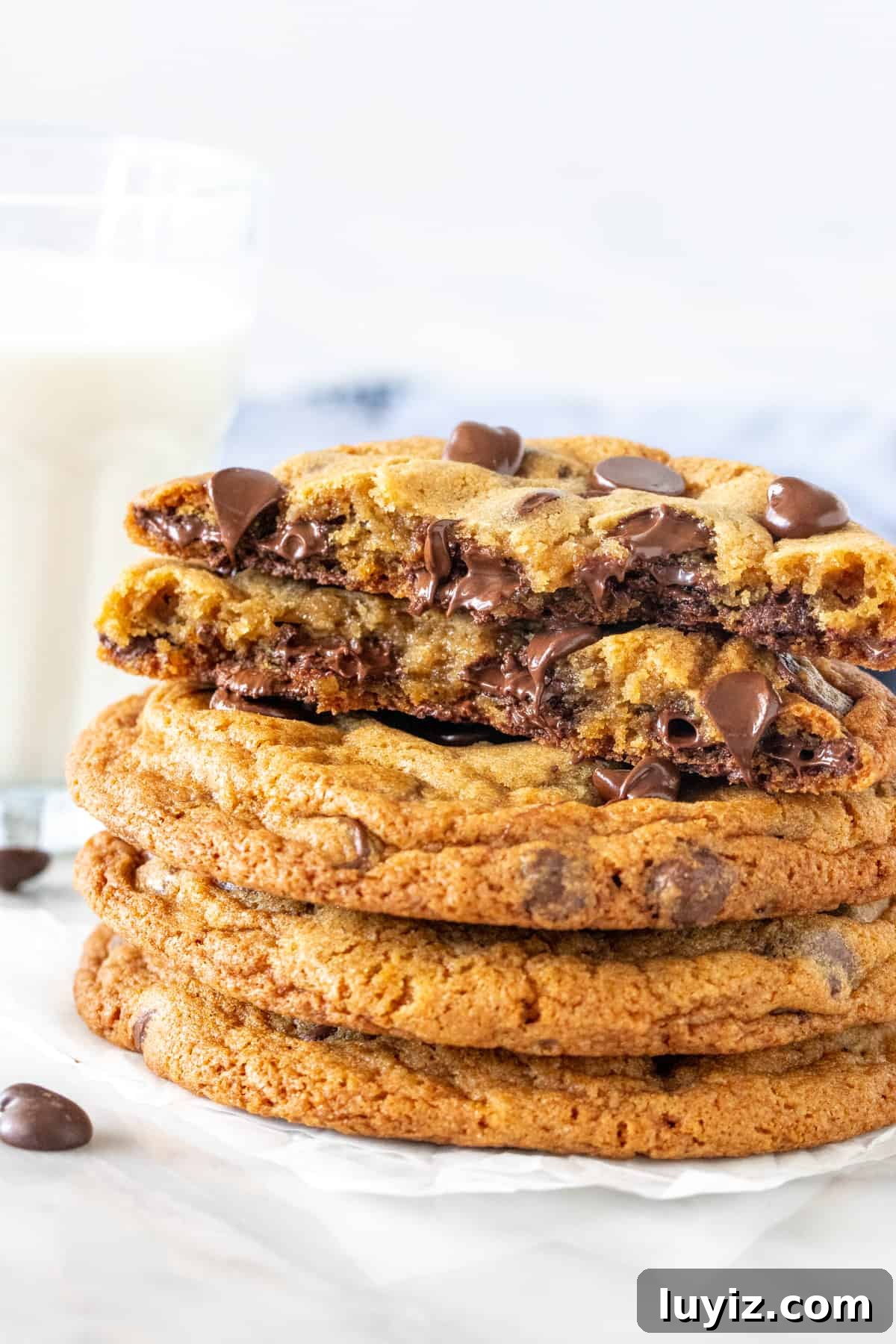
Following these straightforward tips will help you bake more consistently and confidently. If you’re ready to try new recipes, consider testing classic favorites like vanilla cupcakes with strawberry buttercream, bakery-style chocolate chip cookies, or a New York cheesecake to practice these techniques.
- Vanilla Cupcakes with Strawberry Frosting — a great recipe to practice creaming and frosting techniques
- Bakery-Style Chocolate Chip Cookies — ideal for learning about butter temperature and bake time
- New York Cheesecake — excellent for practicing gentle mixing and careful oven handling
- Funfetti Cake — a crowd-pleasing option to practice consistency and timing
For continued improvement, try freezing dough, practicing bundt cakes, and experimenting with oats in baking. With a few good habits and some patience, anyone can become a better baker.