
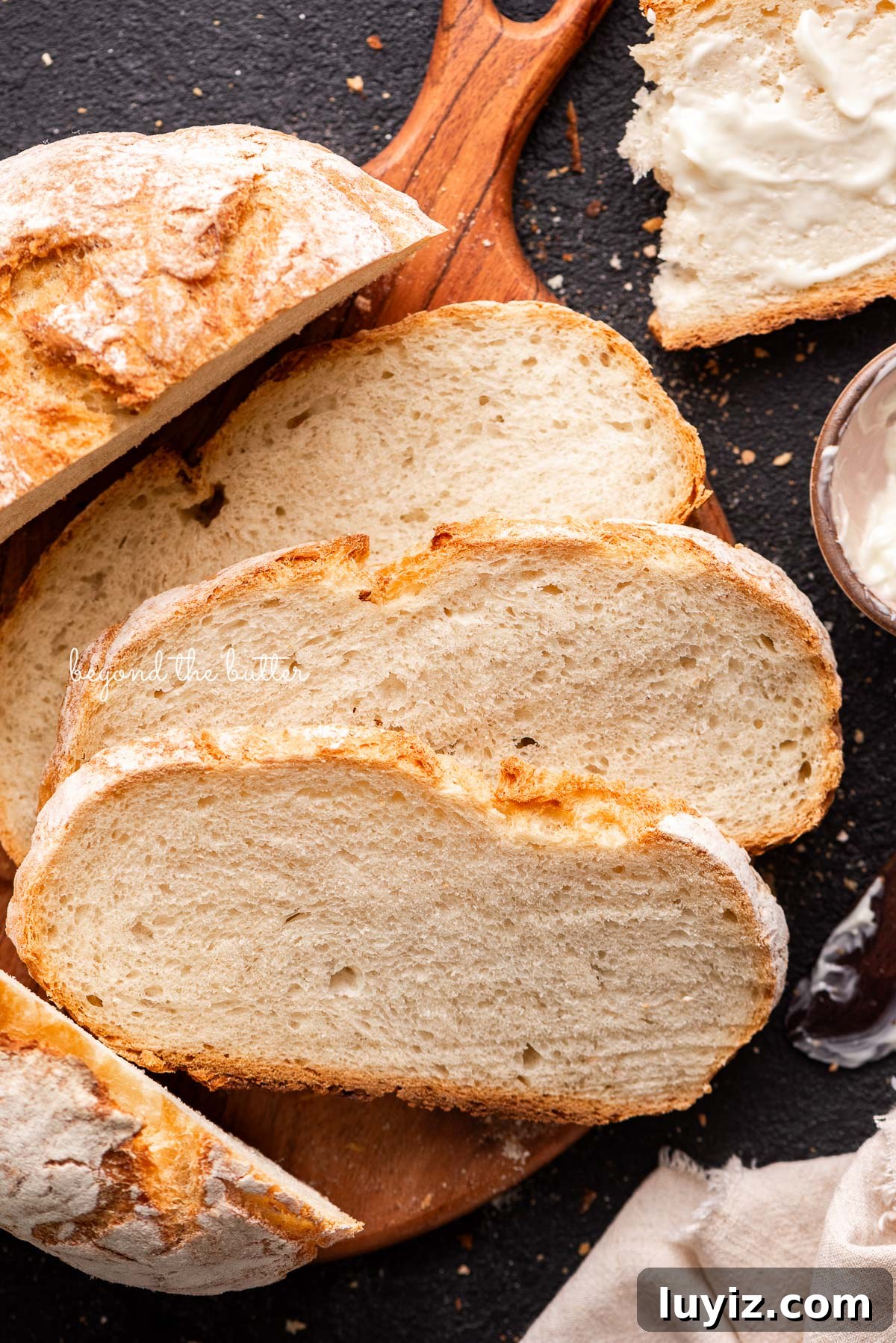
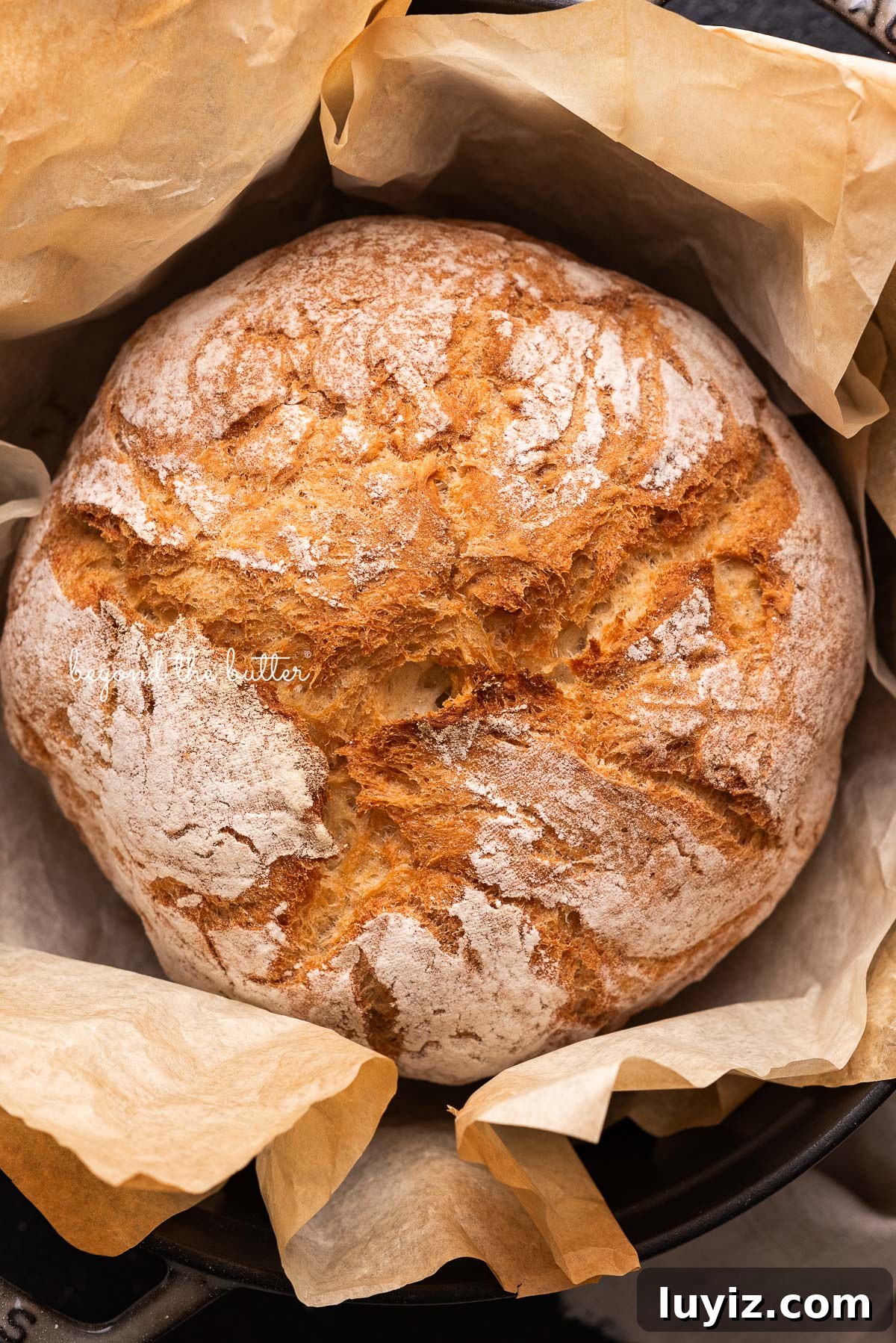
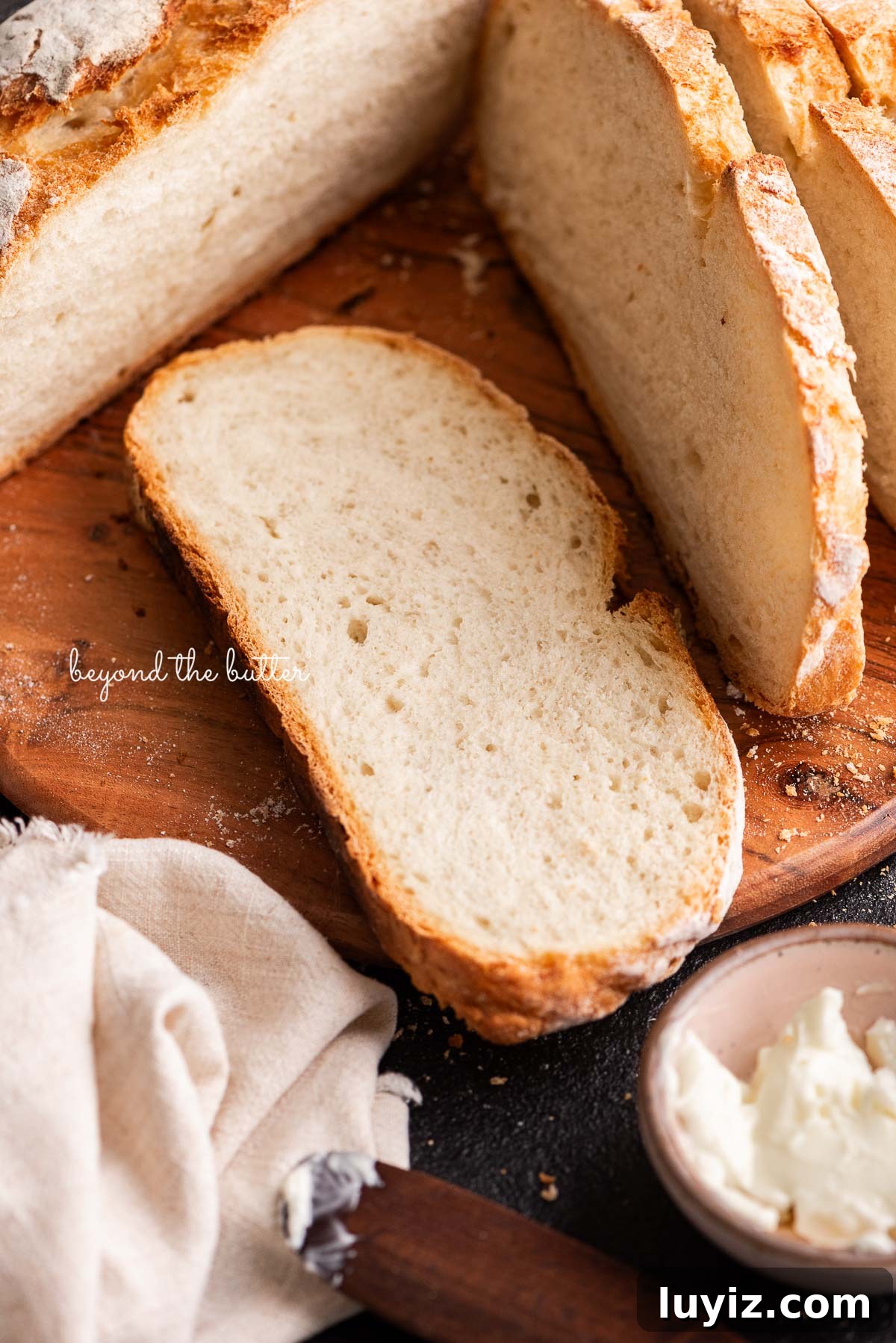
This Easy French Bread recipe produces a golden-brown, crisp crust with a soft, airy interior baked to perfection in a Dutch oven. It’s straightforward to make, delicious straight from the oven, and pairs beautifully with butter, dipping oil, sandwiches, or soups.
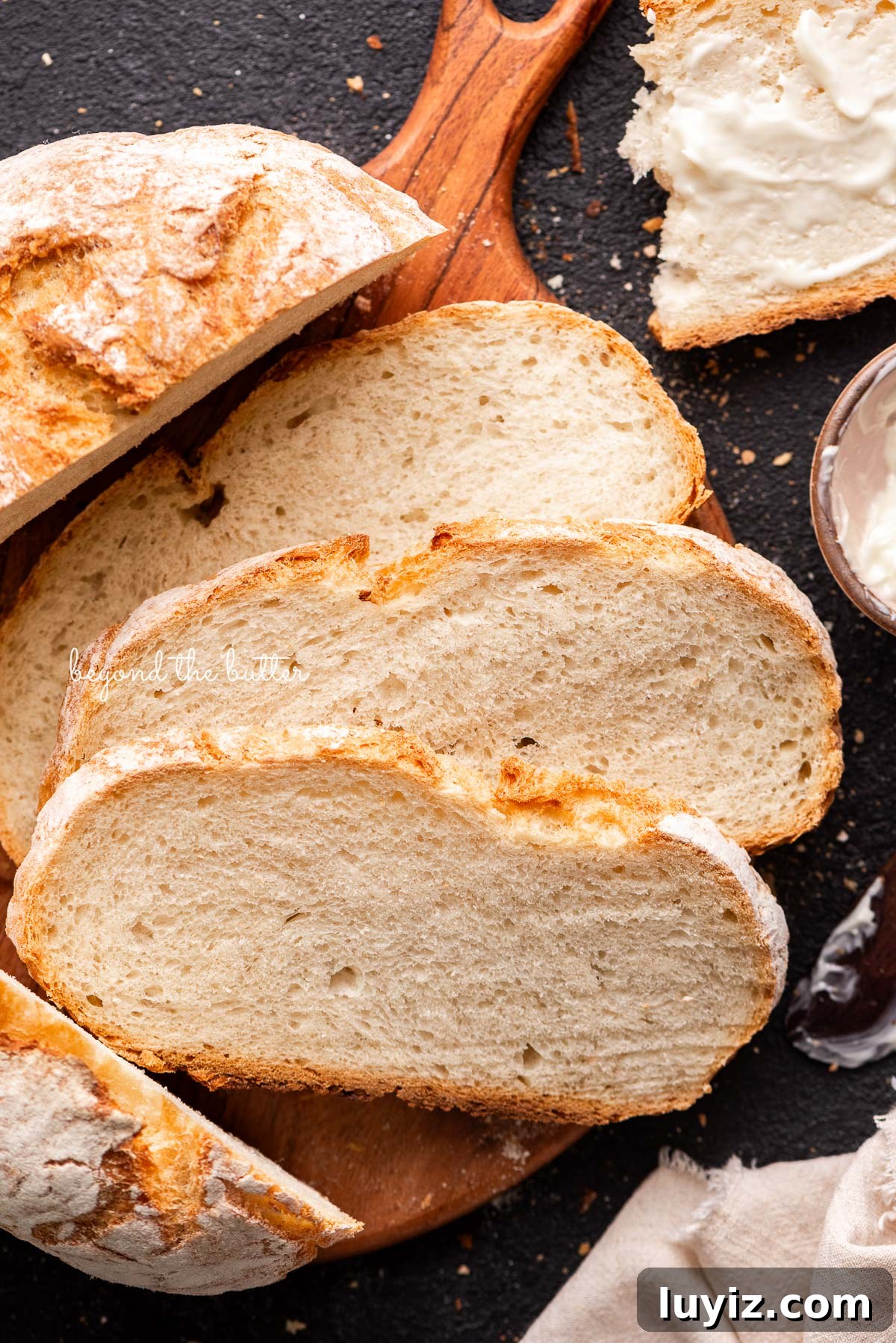
This Easy French Bread recipe post is sponsored by Ankarsrum. Thank you for supporting the brands that help make Beyond the Butter® possible!
If you love homemade bread, this recipe is a great, low-effort option to celebrate World Bread Day or any weeknight. Like other recipes on the site, it relies on simple pantry staples you likely already have: flour, yeast, salt, sugar, oil, and warm water.
The dough is easy to prepare, especially if you use a stand mixer, but it can also be mixed and kneaded by hand. The process involves proofing the yeast, mixing the dough, two rises, shaping, and baking inside a preheated Dutch oven to create a crisp crust and tender crumb.
Table of Contents
- Ingredients
- Instructions
- Storage
- Recipe FAQs
- More Recipes to Enjoy!
- Easy French Bread Recipe
Ingredients
Below are the main ingredients used in this recipe, with notes on possible substitutions.
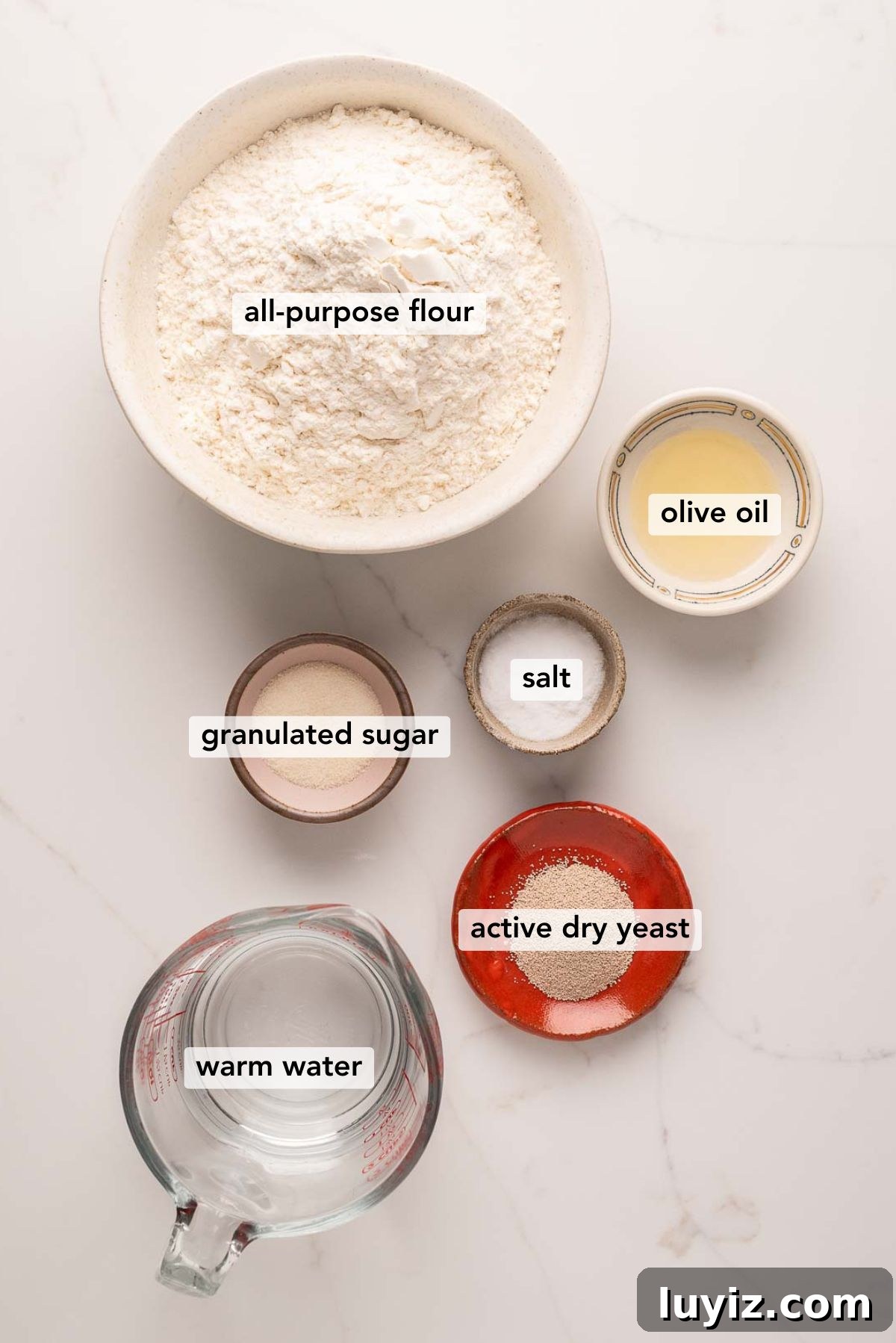
- All-purpose flour. Any standard all-purpose flour will work. Bread flour can be used 1:1 if you prefer a chewier crumb and stronger gluten structure.
- Active dry yeast. Use jarred yeast or a 2 1/4 teaspoon packet. Instant yeast is an acceptable substitute; expect slightly shorter rise times.
- Warm water. The water should feel warm to the touch — not cold or hot. If you use a thermometer, aim for 80°F–110°F (about 27°C–43°C).
- Granulated sugar. Sugar helps feed the yeast and can be swapped 1:1 for honey if desired.
See the recipe card below for exact quantities and the full printable version.
Instructions
Here is an overview of the steps to make this French bread. The full, printable recipe follows in the recipe card below.
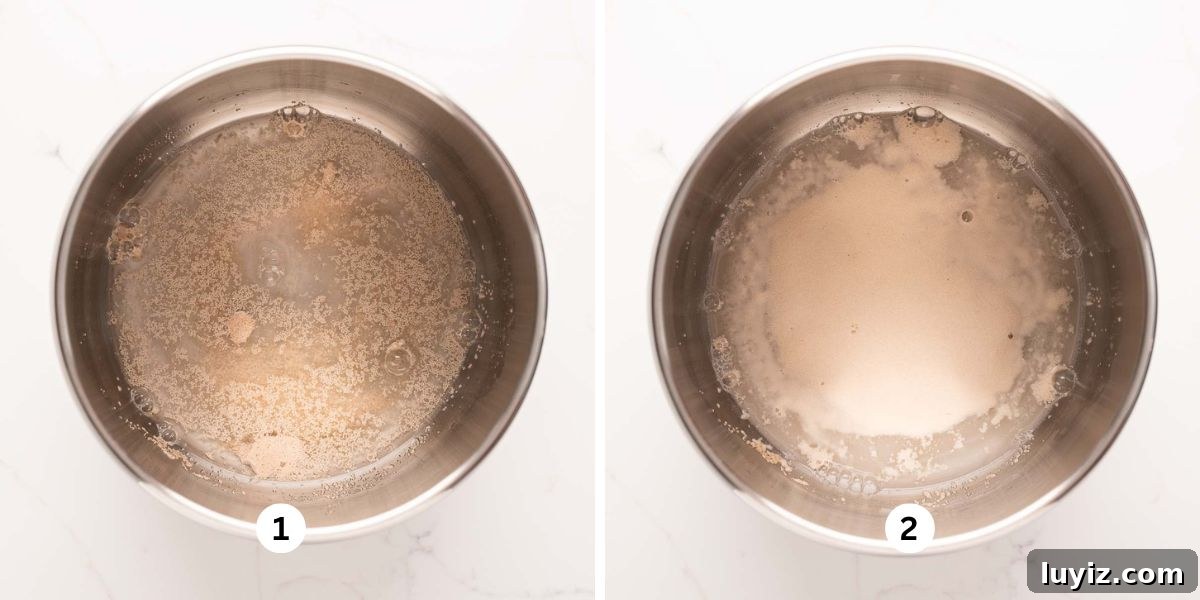
Step 1 — Proof the yeast. Combine the active dry yeast, sugar, and warm water in a bowl or mixer bowl. Whisk briefly, cover, and let sit for about 5 minutes until the surface is foamy. This confirms the yeast is active.
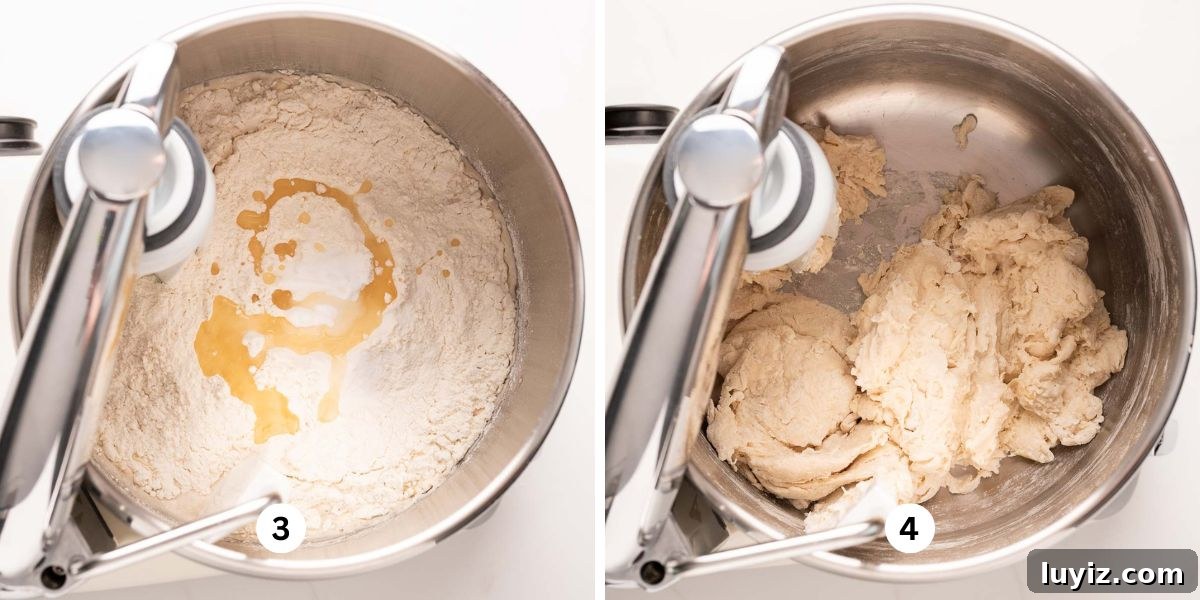
Step 2 — Mix the dough. Add flour, olive oil, and salt to the proofed yeast. Mix on medium speed with a dough attachment or stir and knead by hand until the flour is incorporated. The dough should be somewhat wet and slightly sticky.
Quick tip: If the dough seems excessively wet using 3 cups of flour, add 1/4 cup (36 g) more. You can add another 1/4 cup if necessary, but avoid adding too much—aim for a slightly sticky dough.
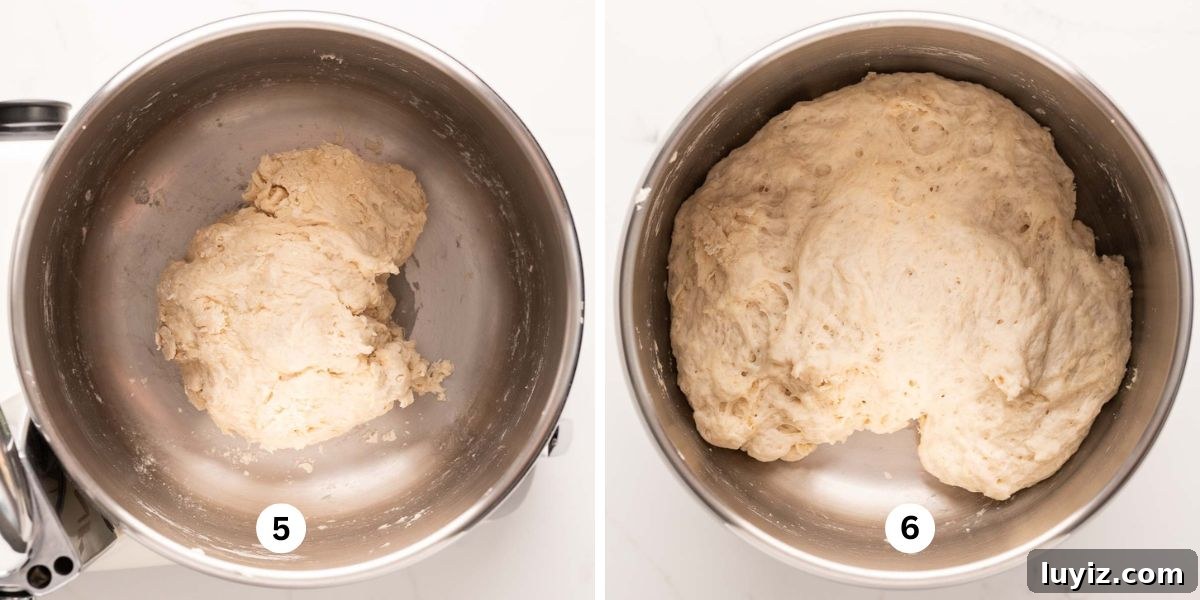
Step 3 — First rise. Cover the dough and place it in a warm spot to rise for about 1 hour, until doubled in size. Do not punch the dough down. Instead invert the bowl to release the dough onto a lightly floured surface.
Quick tip: Dusting the bowl with a little flour can help reduce sticking, though it’s optional.
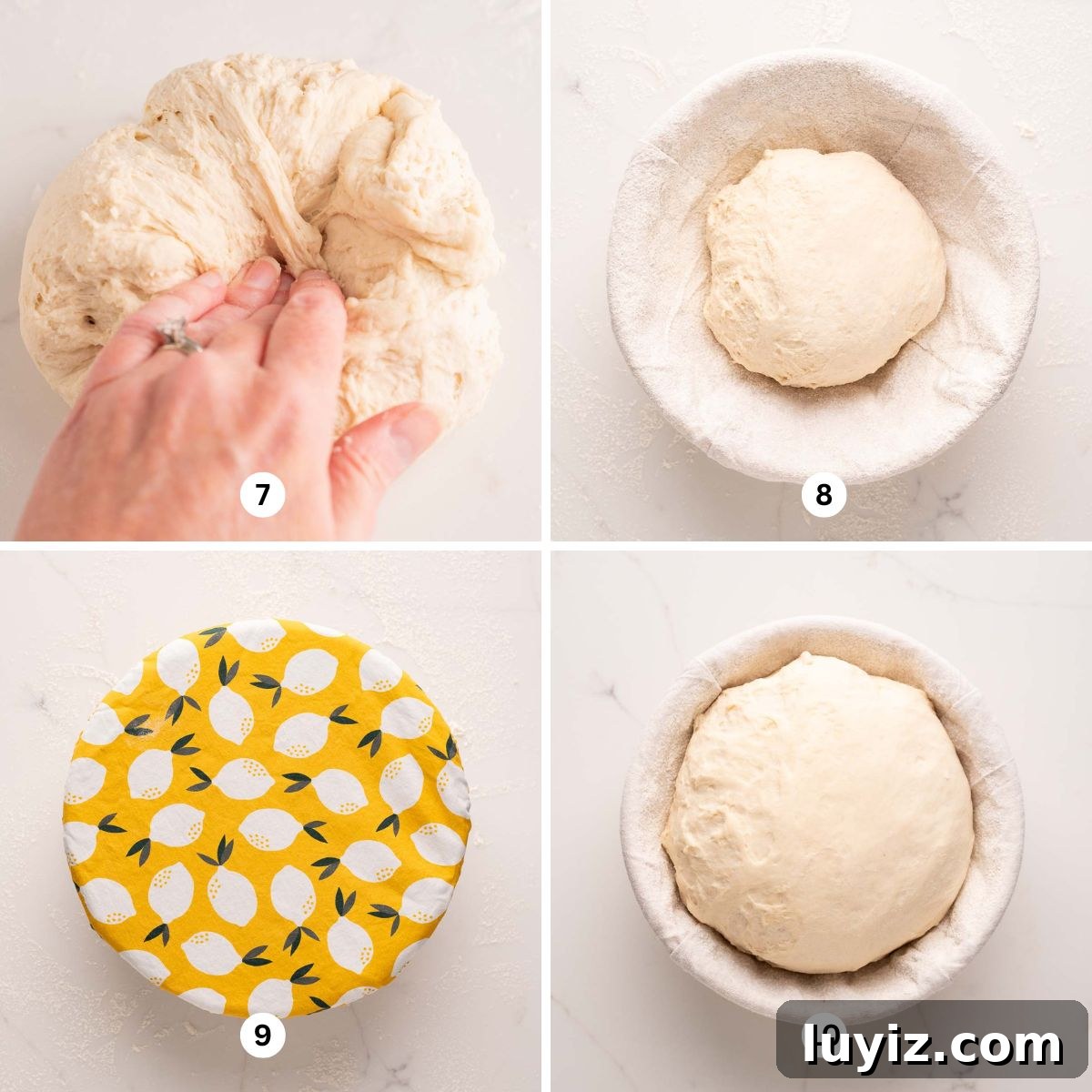
Step 4 — Shape and second rise. Gently shape the dough by folding the edges into the center several times to create surface tension. Place seam side down in a well-floured banneton or mixing bowl, cover, and let rise another 30 minutes until nearly doubled.
Quick tip: Preheat the oven to 425°F with the Dutch oven (lid on) on the middle rack. Place a sheet pan beneath the Dutch oven to help prevent a burned bottom crust.
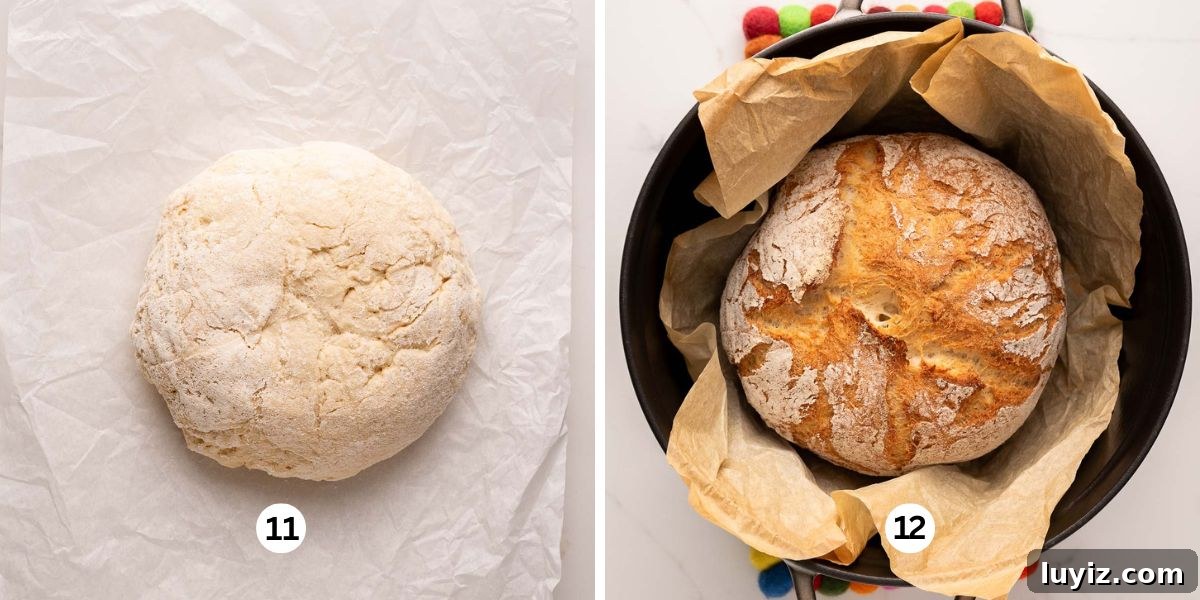
Step 5 — Bake in the Dutch oven. Invert the dough onto a crumpled sheet of parchment with the seam now facing up to encourage a cracked, artisan-style top. Carefully transfer the dough and parchment into the preheated Dutch oven. Bake covered at 425°F for 30 minutes. Remove the lid and bake an additional 15 minutes until golden brown. If you skipped the sheet pan under the Dutch oven, reduce the uncovered bake time to about 10 minutes to avoid a dark bottom crust.
Step 6 — Cool before slicing. Remove the bread from the oven and transfer it to a cooling rack using the parchment as a sling. Let the bread cool for 1–2 hours to finish cooking and to set the crumb. Slicing too early can yield a gummy texture, so wait until it’s fully cooled.
Storage
- Store at room temperature in a paper or plastic bag for 3–4 days. If using a plastic bag, remove as much air as possible before sealing.
- If the bread is sliced and stored in a paper bag, place the cut side down to help keep the exposed crumb soft.
- Avoid refrigerating bread; refrigeration speeds staling. For longer storage, slice, wrap in plastic, and freeze in a sealed bag for up to three months. Thaw at room temperature and toast or warm before serving.
Recipe FAQs
Yes. Instant yeast works; expect slightly shorter rise times.
Yes. Use bread flour 1:1 for a chewier texture and slightly higher rise.
A 5–6 quart Dutch oven is ideal. A 5.5-quart pot works well for a single loaf.
Yes. Slice after cooling, wrap in plastic, and store in a freezer-safe bag for up to three months. Thaw at room temperature and reheat or toast as needed.
More Recipes to Enjoy!
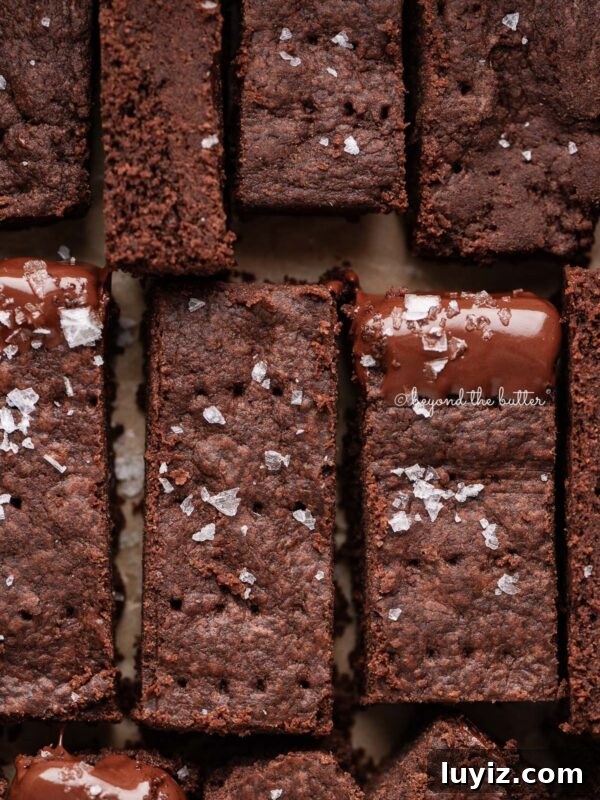
If you enjoy recipes made with a mixer, here are a few other favorites to try from the same collection: Easy Lemon Cream Pie, 15 Last Minute Christmas Desserts, Homemade Chocolate Shortbread, and 15 Easy Thanksgiving Dessert Recipes.

Easy Lemon Cream Pie

15 Last Minute Christmas Desserts
Homemade Chocolate Shortbread

15 Easy Thanksgiving Dessert Recipes Everyone Should Try
If you try this Easy French Bread recipe, please leave a star rating and share your feedback in the comments. Happy baking!
Easy French Bread Recipe
Equipment
- Ankarsrum Assistent Original Mixer (optional)
- 5.5 qt Dutch oven
- Parchment paper
- Cooling rack
- Quarter sheet pan (optional)
- Banneton proofing basket or mixing bowl
Ingredients
- 2 1/4 tsp active dry yeast
- 1 tbsp granulated sugar
- 1 1/4 cup warm water (80°F–110°F)
- 1 1/2 tsp salt
- 1 tbsp olive oil
- 3–3 1/2 cups all-purpose flour
Instructions
- In a mixing bowl, combine yeast, sugar, and warm water. Whisk, cover, and let sit for about 5 minutes until foamy.
- Add 3 cups flour, olive oil, and salt. Mix until incorporated. The dough should be slightly sticky and shaggy. If overly wet, add 1/4 cup (36 g) flour; add a second 1/4 cup only if necessary.
- Cover the bowl and let the dough rise in a warm spot for 1 hour or until doubled. Do not punch down. Invert the bowl to release the dough onto a lightly floured surface.
- Lightly flour a banneton or mixing bowl. Shape the dough by folding edges into the center several times, then place seam side down into the floured banneton. Cover and let rise 30 minutes until nearly doubled.
- While the dough finishes the second rise, place the Dutch oven (lid on) on the middle rack and a sheet pan beneath it. Preheat oven to 425°F.
- Invert the dough onto crumpled parchment with the seam facing up. Using the parchment as a sling, transfer the dough into the preheated Dutch oven. Cover and bake at 425°F for 30 minutes. Remove the lid and bake an additional 15 minutes until golden brown (reduce uncovered time to 10 minutes if no sheet pan underneath).
- Carefully transfer the loaf to a cooling rack using the parchment sling. Let cool 1–2 hours before slicing.
Notes
Prep time includes yeast proofing and dough rise times. Preheating a sheet pan beneath the Dutch oven helps prevent a burned bottom crust. Crumpling the parchment is optional but can make transferring easier.
Nutrition
Calories: 195 kcal | Carbohydrates: 38 g | Protein: 5 g | Fat: 2 g | Sodium: 439 mg
Nutritional information is an estimate and will vary by ingredients used.