
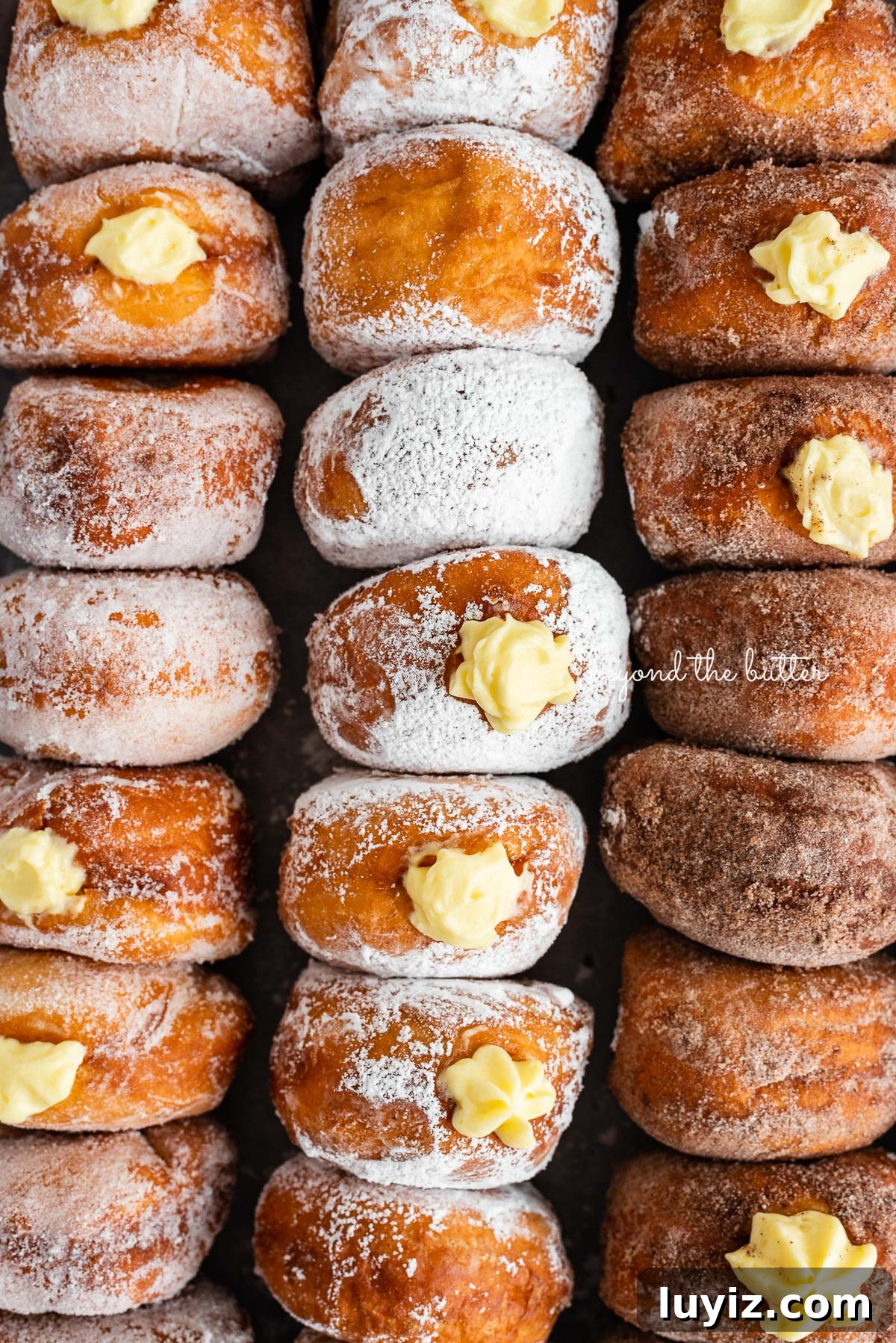
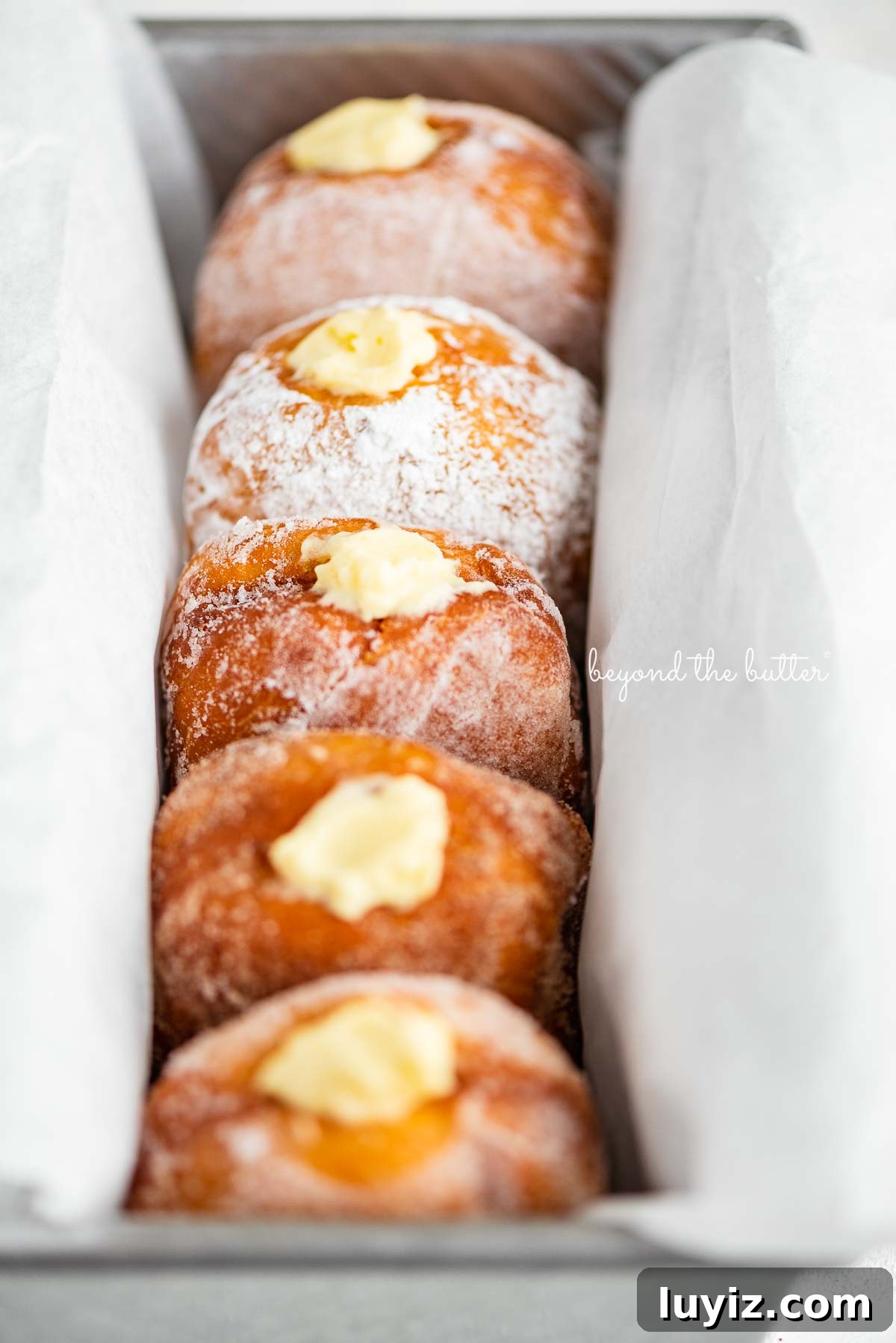
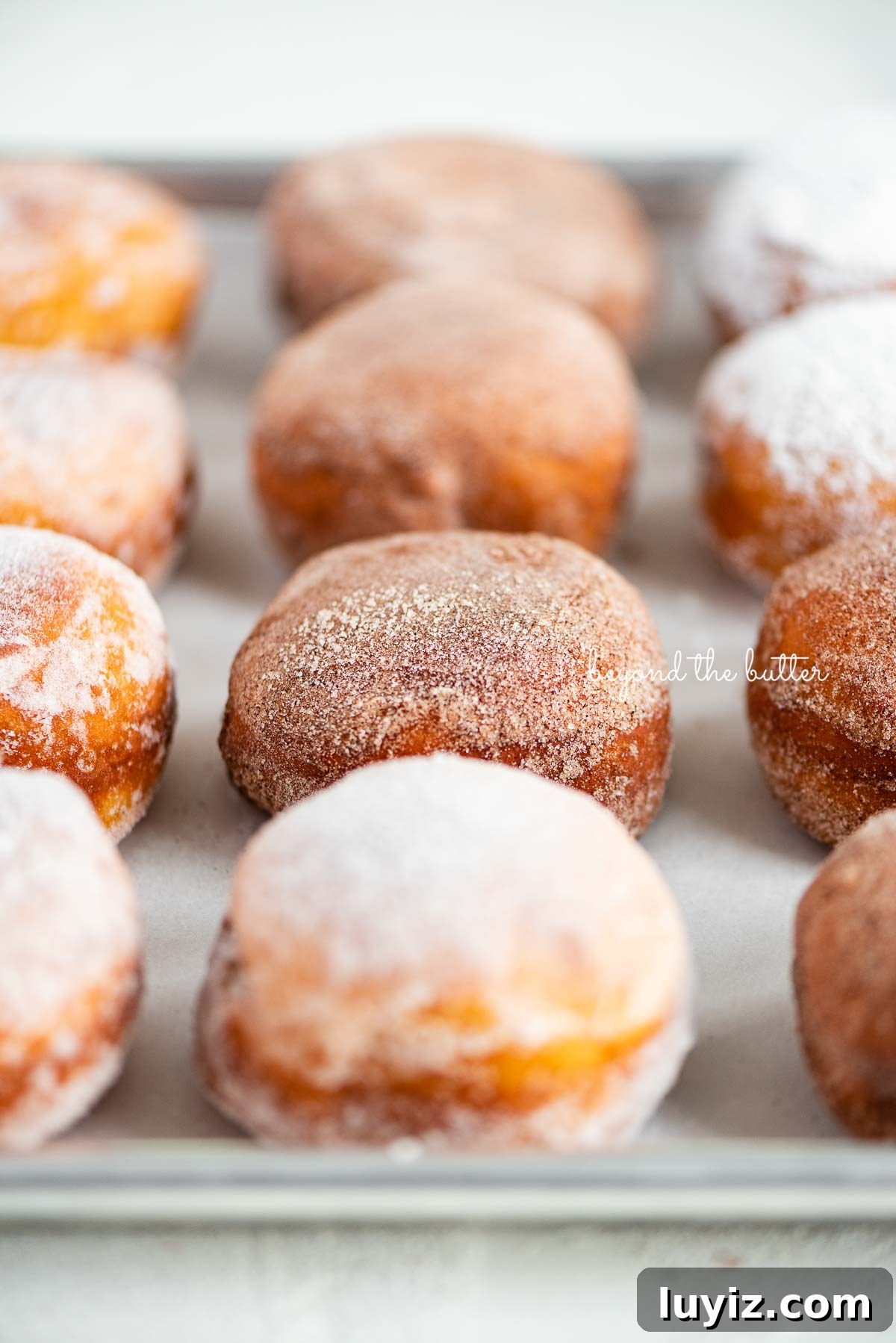
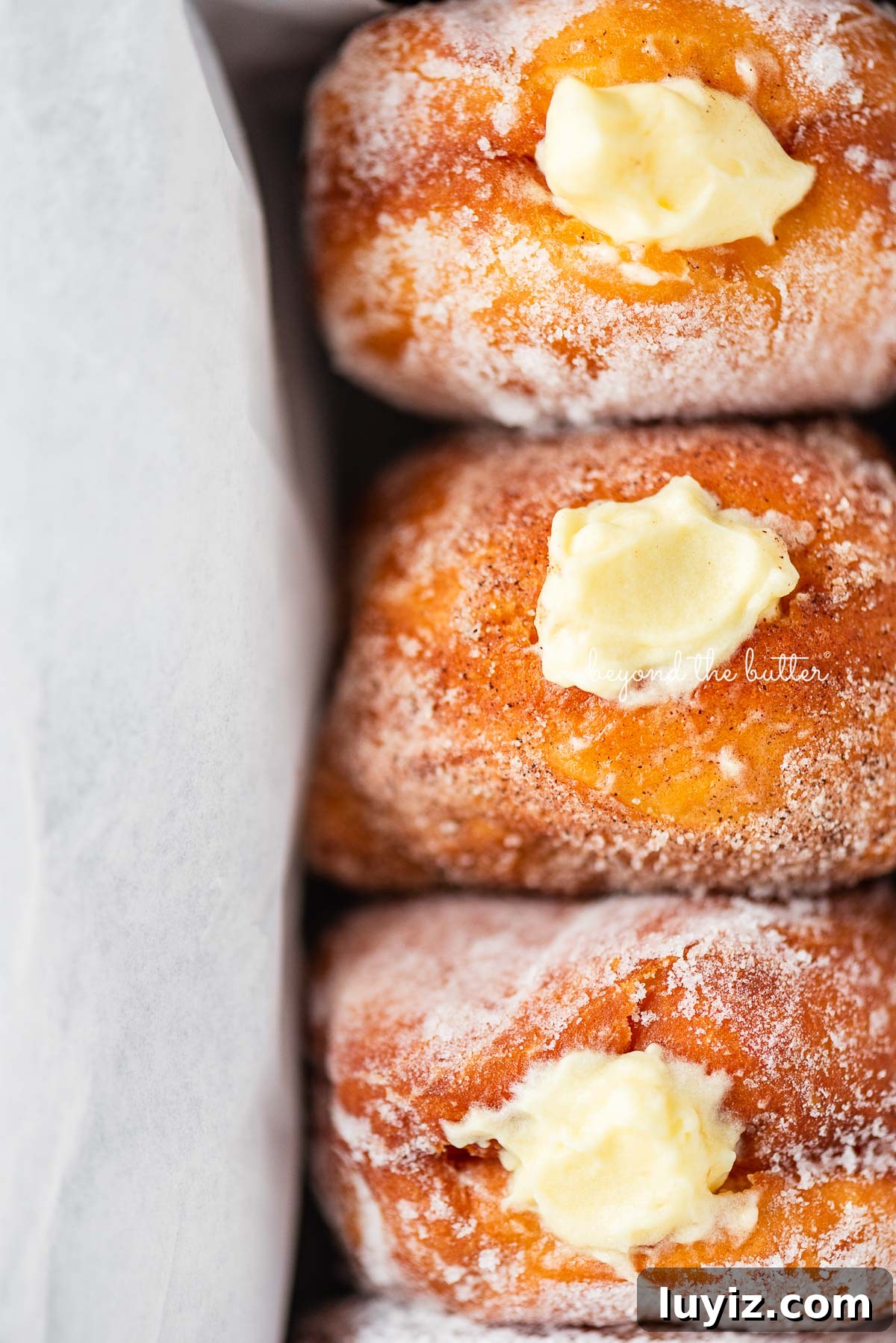
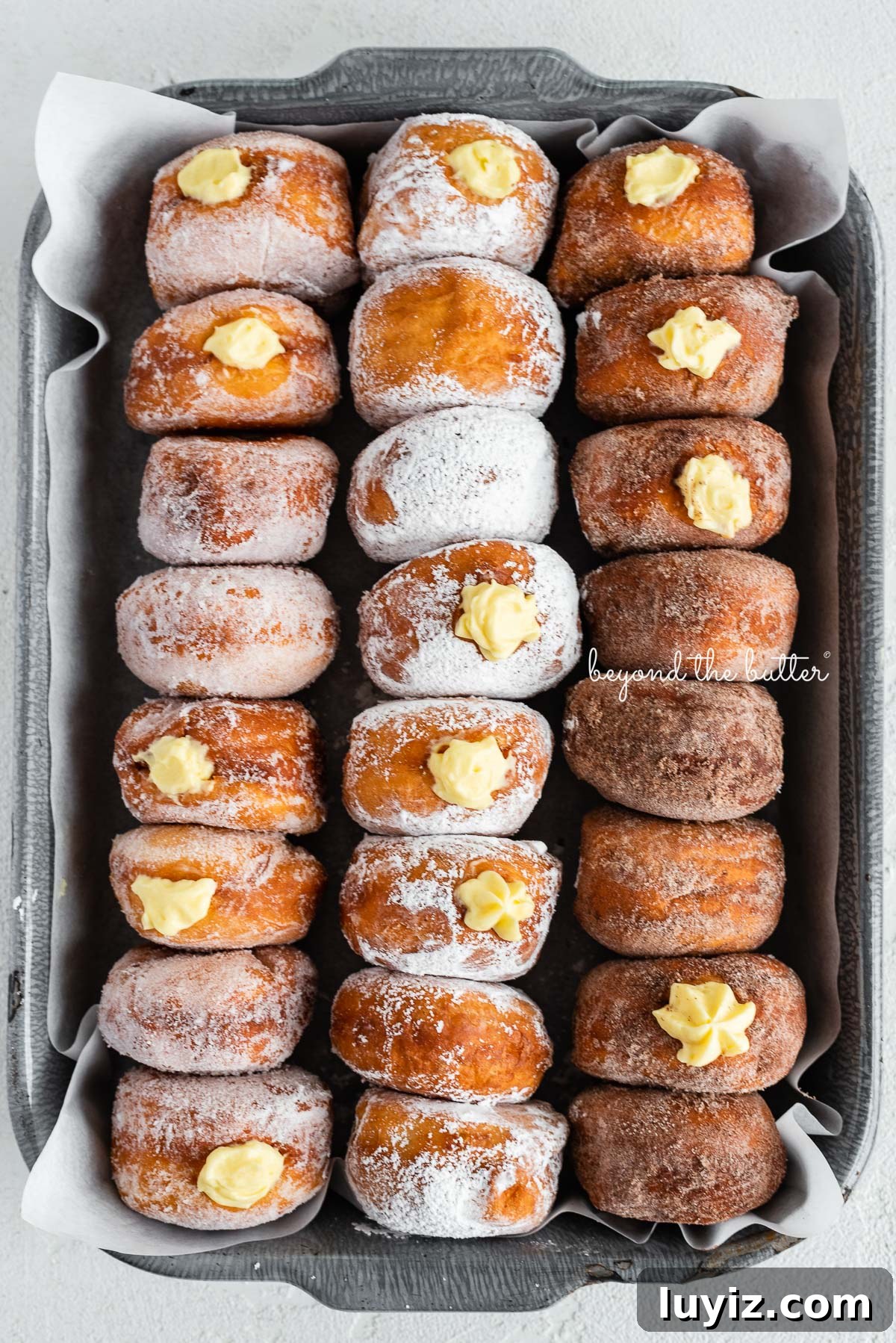
Today is Fasnacht Day, and I celebrate with homemade Pennsylvania Dutch Fasnacht doughnuts. These rich, golden doughnuts are deep-fried until lightly crisp and then coated in granulated sugar, cinnamon sugar, or powdered sugar. For a special touch, some are filled with a smooth vanilla pastry cream.
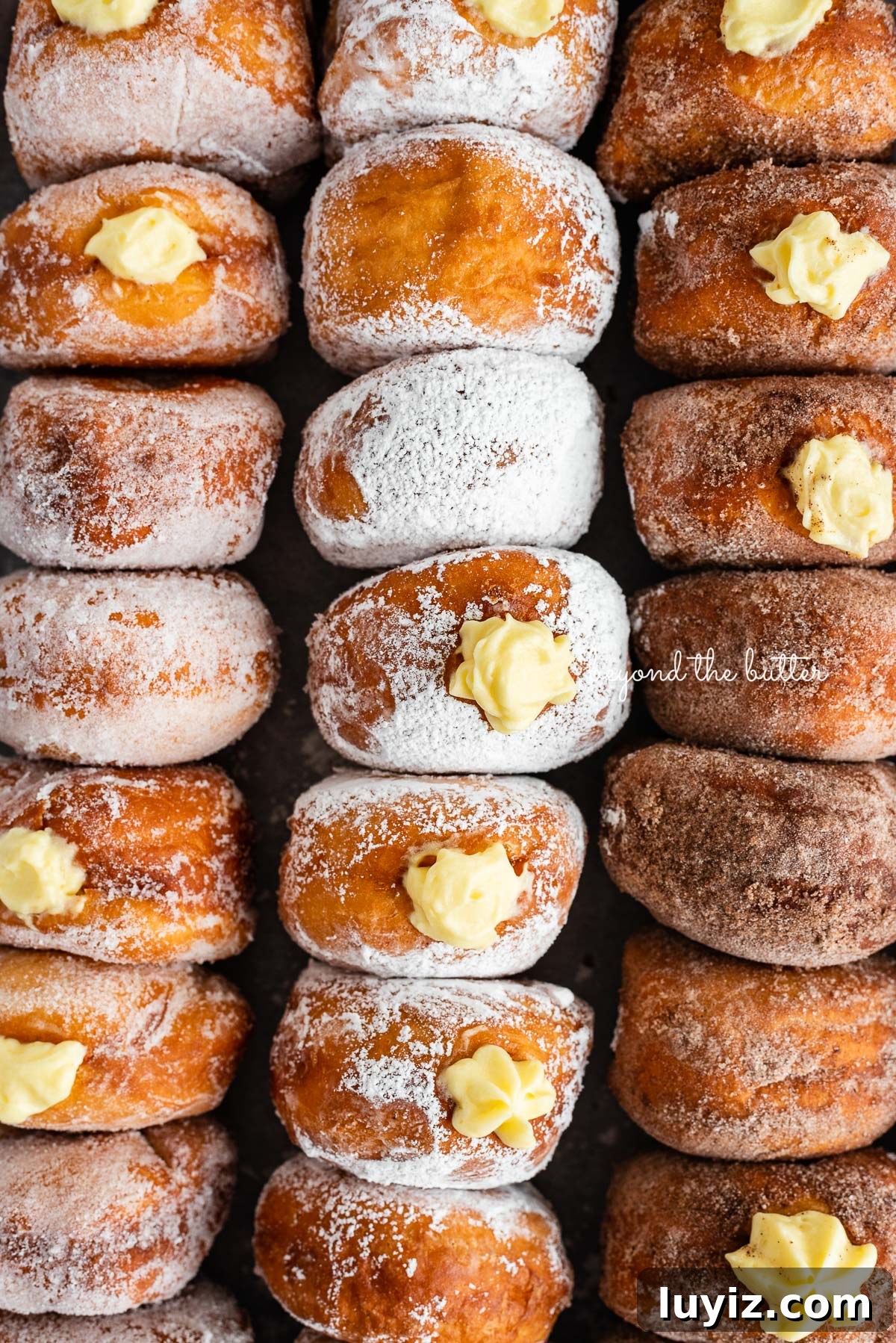
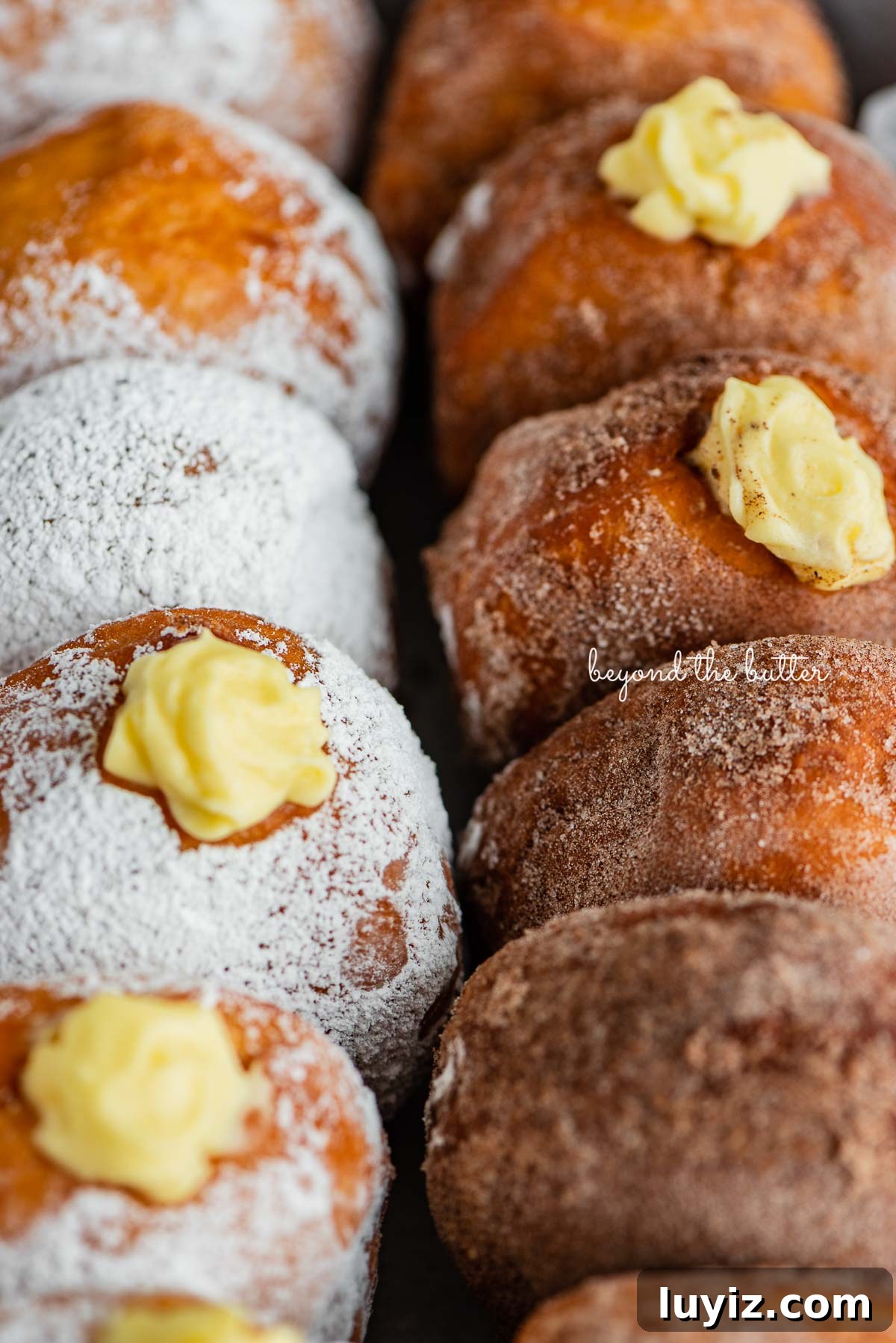
Table of Contents
- About the Recipe
- When is Fasnacht Day?
- What Does the Word Fasnacht Mean?
- What Is a Fastnacht and How Are They Typically Made?
- 3 Tips for Making the Perfect Fasnacht Doughnuts
- Recommended Donut-Making Tools
- More Breakfast Sweets to Enjoy!
- Pennsylvania Dutch Fasnacht Doughnuts Recipe
About the Recipe
This recipe uses active dry yeast and a solid circle cutter (no center hole) to make classic fasnachts. After frying, the doughnuts are rolled in granulated sugar, cinnamon sugar, or powdered sugar. Optionally, fill half with a creamy vanilla pastry cream for a decadent finish.
The dough comes together quickly, but rising takes time. Expect the first rise to take 1 to 1.5 hours and the second rise (after cutting shapes) about an hour. Allow extra time for frying, coating, and optional filling.
When is Fasnacht Day?
Fasnacht Day (also called Fastnacht Day), known elsewhere as Shrove Tuesday or Fat Tuesday, is observed the Tuesday before Ash Wednesday. In Pennsylvania Dutch tradition it is a day for using up rich ingredients before Lent.
What Does the Word Fasnacht Mean?
Fasnacht (or fastnacht) is a German term meaning “the night before the fast.” Historically, households prepared treats using remaining fats and sugars before the Lenten fast. Today, many observe Lent by giving up a favorite food or indulgence.
What Is a Fastnacht and How Are They Typically Made?
A fasnacht is a denser doughnut without a hole, often shaped square or triangular but also made round. Traditional versions were fried in lard and served sliced with butter, molasses, or syrup. Modern recipes use yeast, potato, or baking powder and can be glazed or coated with powdered sugar, cinnamon sugar, or granulated sugar.
Fasnachts come in many variations and remain a beloved regional treat for good reason: they taste fantastic.
3 Tips for Making the Perfect Fasnacht Doughnuts
- Scald the milk first. Many fasnacht recipes begin with scalded, cooled milk. Do this early so it has time to come to the right temperature before mixing.
- How to scald milk. Heat milk until it is just about to boil, then remove it to cool. Scalding helps enrich dough structure and can produce a lighter yeast crumb.
- Filling technique. If filling doughnuts with pastry cream, use a butter knife to make a small hole while they are slightly warm, turning gently to create the opening before piping.
Recommended Donut-Making Tools
- A 2.5″ circle cutter works well and yields about 32 fasnachts; other circle or donut cutters are fine too. In a pinch, the rim of a drinking glass will do.
- Use large resealable bags to toss doughnuts with sugar or cinnamon sugar for even coating.
- A sifter makes dusting powdered sugar easy and tidy.
- For filled doughnuts, a large piping bag with a medium tip (such as a 1M) makes filling quick and neat.
These are suggestions—use what you have and adapt to your kitchen setup.
More Breakfast Sweets to Enjoy!
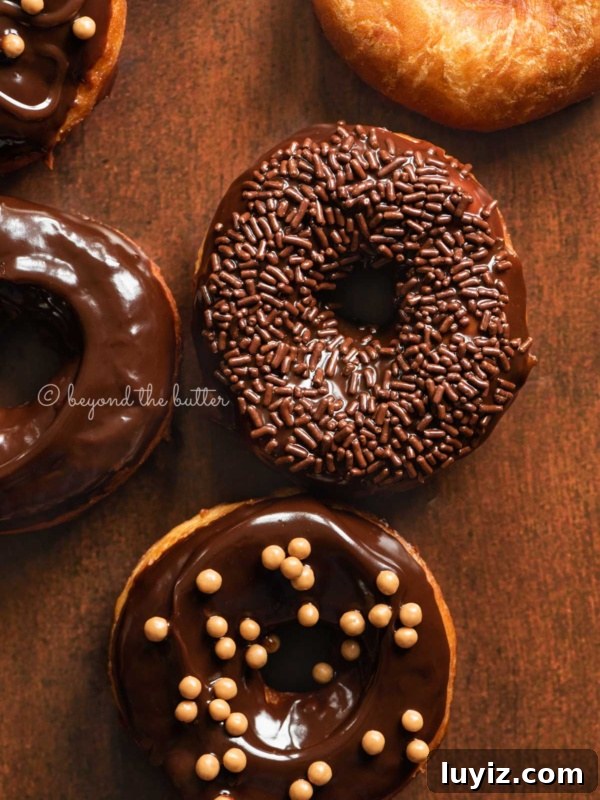
Easy Homemade Donuts from Scratch
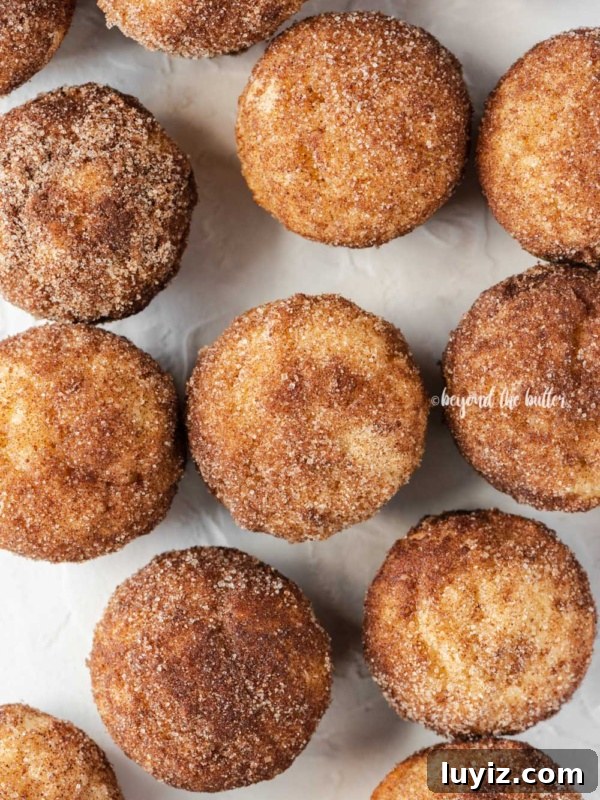
Mini French Breakfast Puffs
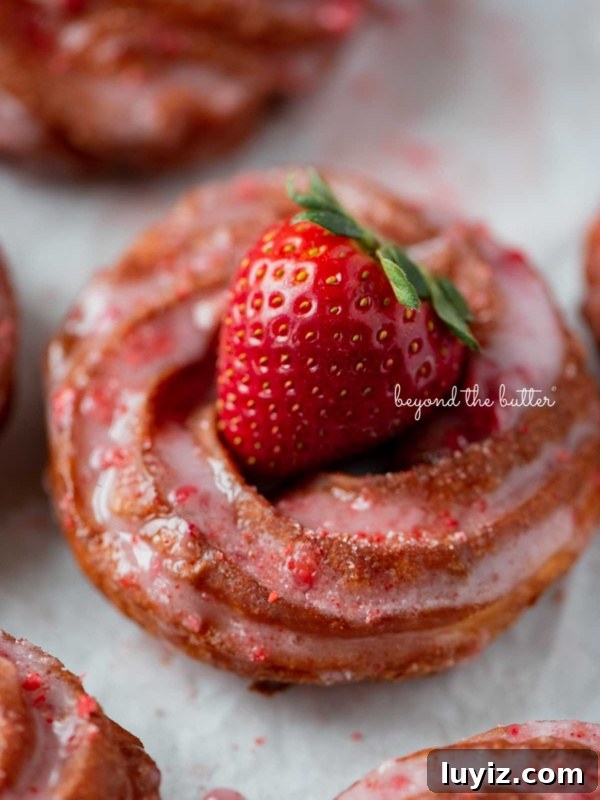
Strawberry Glazed French Crullers
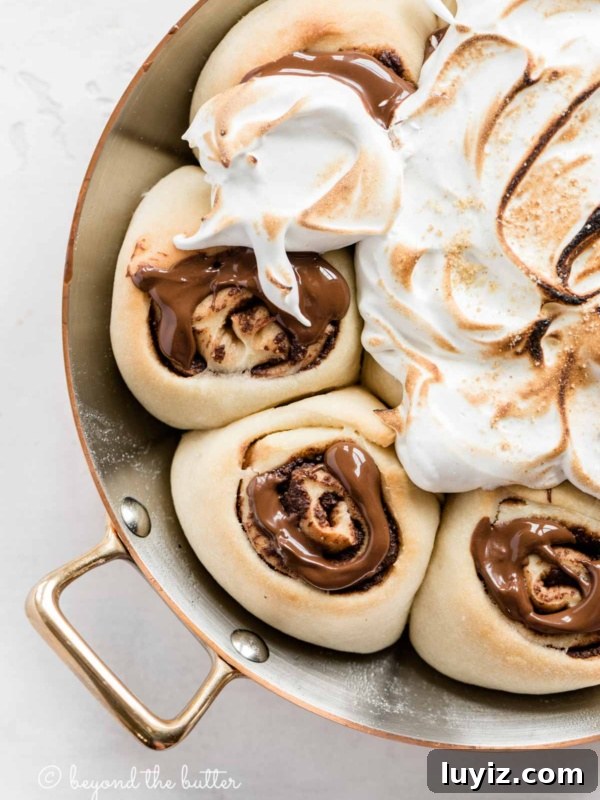
S’mores Rolls
Pennsylvania Dutch Fasnacht Doughnuts

Ingredients
Pennsylvania Dutch fasnacht doughnuts
- 2 cups milk, scalded and cooled
- 4 1/2 tsp (2 packages) active dry yeast
- 1/2 cup warm water
- 1/4 cup unsalted butter, melted
- 2 tsp salt
- 3/4 cup granulated sugar
- 1/4 tsp nutmeg
- 2 large eggs
- 7 1/2 cups all-purpose flour
- 3–4 cups canola oil for frying
- Additional sugars for coating: granulated sugar, cinnamon sugar, powdered sugar
Vanilla pastry cream (optional)
- 3.4 oz vanilla pie filling/instant pudding mix (1 box)
- 1 cup milk
- 1/2 cup heavy whipping cream
Instructions
Pennsylvania Dutch fasnacht doughnuts
- Scald the milk in a small saucepan, then set aside to cool.
- Combine the yeast and warm water in the bowl of a stand mixer fitted with a dough hook. Let it proof for 10 minutes.
- Add melted butter, cooled milk, salt, sugar, nutmeg, and eggs. With the mixer on low, add flour one cup at a time until the dough begins to form. The dough will be large and slightly sticky but should pull away from the bowl. If it is very sticky, add 1 tablespoon flour at a time until it is tacky but manageable.
- Turn the dough onto a lightly floured surface and knead 5–8 minutes until smooth.
- Place the dough in a lightly greased bowl, turning once to coat. Cover tightly with plastic wrap and a clean towel, and let rise in a warm, draft-free place for 1–1.5 hours, until nearly doubled.
- Punch down the dough, roll to about 1/2″ thickness, and cut rounds with a floured cutter (2.5″ recommended). Place on a parchment-lined sheet, spacing about 1″ apart. Roll leftover dough into balls for holes if desired.
- Cover the cut doughnuts with a clean towel and let rest for about 1 hour, until nearly doubled.
- Line a baking sheet with paper towels and set a cooling rack over it. Heat canola oil in a deep heavy skillet or pot to 365°F. Add oil to the cold pan before heating and use a thermometer—do not guess the temperature.
- Fry 2–3 doughnuts at a time for roughly 45–60 seconds per side, turning with tongs or a slotted spoon, until medium golden brown. If new to frying doughnuts, fry one at a time until comfortable with the process.
- Remove to the rack or paper towels to drain excess oil. Let cool slightly before creating an opening for filling, if using.
- While still warm, place 2–3 doughnuts in a resealable bag with sugar or cinnamon sugar and shake until coated. For powdered sugar, sift over cooled doughnuts.
- Allow doughnuts to cool before adding pastry cream filling.
Vanilla pastry cream (optional)
- Whisk the pudding mix with 1 cup milk until it thickens.
- Whip the heavy cream to medium peaks with a hand mixer or stand mixer.
- Fold the whipped cream into the pudding mixture until combined.
- Fill a piping bag with the pastry cream and pipe into the doughnuts until filled.
Notes
- Equipment recommendations are optional—use what works in your kitchen.
- If you don’t have cinnamon sugar, you can make it by mixing ground cinnamon with granulated sugar to taste.
Nutrition
Carbohydrates: 333 g |
Protein: 47 g |
Fat: 268 g
Nutritional information is an estimate and will vary based on exact ingredients and portions used.